Supplier of control and measuring instruments in Latvia, Estonia and Lithuania. Worldwide delivery
Supplier of control and measuring instruments in Latvia, Estonia and Lithuania. Worldwide delivery
TRIO.BAS AIRBIO ONE LIQUID
Photo TRIO.BAS AIRBIO ONE LIQUID Description of TRIO.BAS AIRBIO ONE LIQUID FAQs about TRIO.BAS AIRBIO ONE LIQUID Specifications TRIO.BAS AIRBIO ONE LIQUID Prices for TRIO.BAS AIRBIO ONE LIQUID User Manual for TRIO.BAS AIRBIO ONE LIQUID Related instruments to TRIO.BAS AIRBIO ONE LIQUID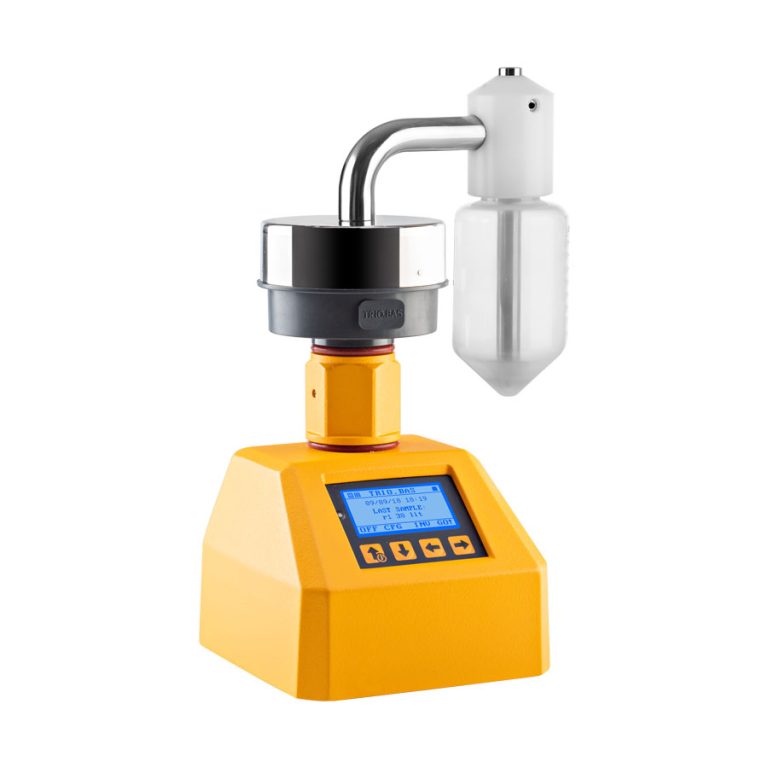
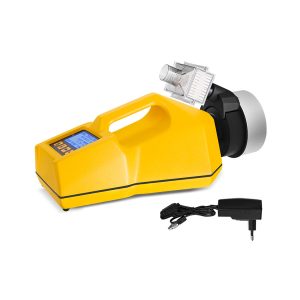
Innovative air sampler for viable particles. Its key advantage: simultaneous support of two analysis methods — virus collection into liquid sample for PCR tests and traditional agar culture for CFU (Colony Forming Units) counting.
Made in Italy. brand TRIO.BAS, model AIRBIO ONE LIQUID
Fast delivery to Latvia, Estonia and Lithuania. International delivery to Europe, Asia, Africa and other continents available on request
Our warehouse is located in Riga, Latvia.
Retail price from 5 700 €

Available

Official distributor in Latvia
Time-tested American, European and Asian brands of control and measurent instruments

Special price list for organisations
We offer a significant discount for trade organisations and manufacturing companies

Worldwide shipping on request
We take care of all logistics and customs clearance. Fast delivery to Baltic countries

After-sales service and support
Warranty service and repair, expert assistance in the operation of the instruments
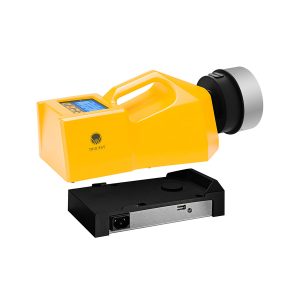
AIRBIO ONE LIQUID AIR SAMPLER is an innovative instrument for collecting viable particles from air.
It is specifically designed for total pathogen monitoring: viruses, bacteria, mold and yeast.
The instrument supports two operating modes:
Collection of microorganisms and viruses onto culture media requires incubation time before obtaining results. Significantly faster results are achieved when using the liquid sampling method.
This method has important advantages in the following areas:
AIRBIO RAPID-VIRUS also allows rapid evaluation of disinfection protocol effectiveness. The instrument was developed under NATO EUCLID CEPA 13 project (“personnel protection from pathogenic microorganisms through air sampling with rapid detection and identification”).
It is recognised by the Centre for Disease Control and Prevention (CDC) and World Health Organisation (WHO) that aerosol transmission in poorly ventilated indoor environments may play a significant role in viral exposure. Hospital, Clinic, Industry should monitor for the presence of potential pathogens in the air with the purpose to mitigate the risk of infections to protect staff and patients.
Air monitoring is especially important if possible contamination by SARS-COV – viral particles is expected.
The effects of indoor viral exposure during a pandemic are a concern for industries such as hospitals, health clinics, air travel, hospitality, theatres, convention centres and venues receiving large public populations. Small droplets remain in the air longer and travel farther than large droplets. If aerosol contain viruses in sufficient quantity, a susceptible person could inhale them and become infected.
The monitoring of indoor air environments by quantitative analysis is an important tool to provide data for risk assessment to evaluate the viral exposure.
The traditional test to collect respiratory viruses from air requested a filtration with subsequent culture and long time to reach the result. The new approach with a liquid samples obtained by the AIRBIO.ONE RAPID VIRUS instrument and rapid PCR type techniques can give results in a few hours. The AIRBIO.ONE RAPID VIRUS is specifically designed for viruses but also for total pathogen surveillance of bacteria, fungi, yeast.
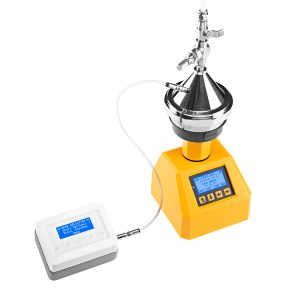
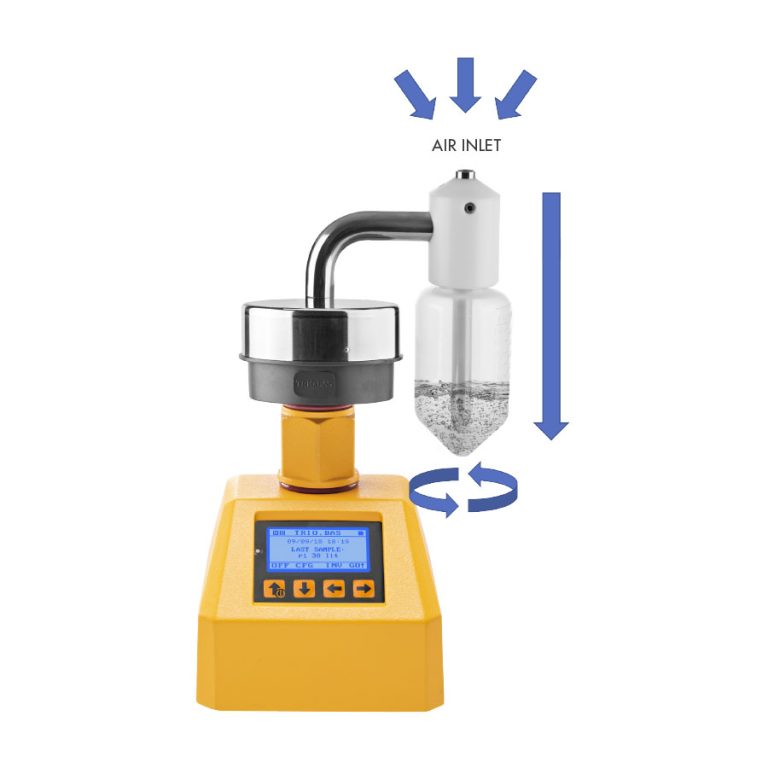
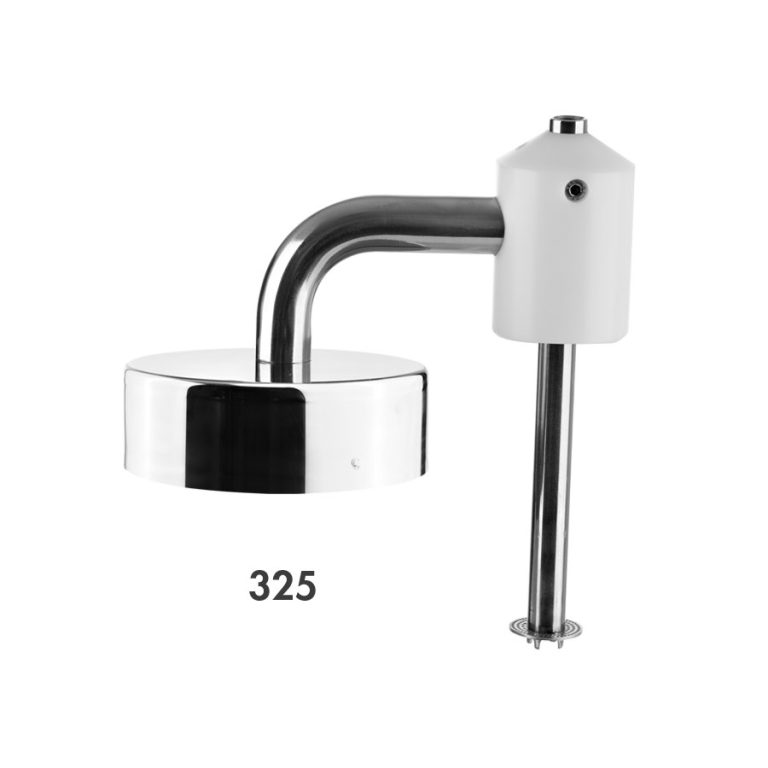
The instrument consists of a command unit connected to a conical sampling device that holds a collecting liquid. The environmental air is aspirated into the collecting liquid and this allows for capture of viral particles. The liquid sample is subsequently submitted for testing by rapid analytical test methods such as PCR or microarrays.
The instrument is the result of the European NATO project EUCLID CEPA 13 “Protection of personnel against pathogenic micro-organisms via air sampling and rapid detection and identification”.
Several parameters should be considered when designing a sampling strategy. One important point is the positioning of the sampler. It should be placed in the trajectory of the airflow of the place. In case of hospital ward, it should be placed at about 100 cm from the bed of patient.
It is responsibility of the analytical laboratory the type and volume of liquid to be used, the amount of air to be collected (e.g.: 2.000 litres) and how to preserve the nucleic acids of the sample. A positive control is suggested during the DNA/RNA extraction protocol.
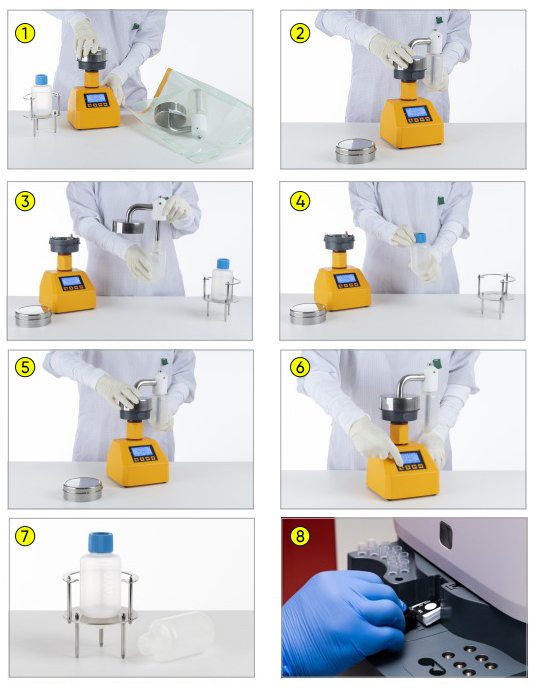
The system can be sterilised on the field using sterile 70% alcohol or by autoclaving at 120°C for 20 minutes.
It is the task of the molecular laboratory to indicate the collecting liquid and the rapid test to be adopted (e.g.: qPCR, microarray, NGS.).
The sample should be at +4°C (unless a different indication is received by the lab).
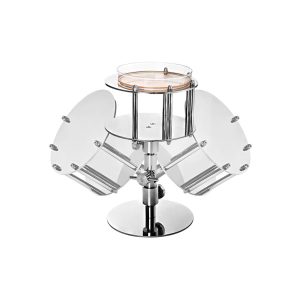
The sampler can also be used for bacteria, fungi, yeast with the liquid protocol or with traditional culture Petri dishes.
Specifications for viral sampling:
| Operating principle | Air volume is aspirated and mixed in pre-analytical liquid |
| Liquid collection system | Fully sterilizable, as fabricated from stainless steel |
| Collection liquid | Water, buffer, nutrient broth |
| Collection liquid volume | 15 ml |
| Battery operation autonomy | 70,000 liters |
| Configuration: | 50 users and 50 locations |
| Instrument dimensions | 15×20×33 cm |
| Weight | 1,850 g |
| Power supply | 218 V DC, 60 W |
| Operating conditions | Temperature 0-45°C / relative humidity 10-60% |
Specifications for active air sampling:
| Operating principle | Air volume is aspirated onto culture media |
| Air flow rate | 200 l/min |
| Battery operation autonomy | 70,000 liters |
| Configuration: | 50 users and 50 locations |
| Instrument dimensions | 15×15×24 cm |
| Weight | 1,600 g |
| Power supply | 218 V DC, 60 W |
| Operating conditions | Temperature 0-45°C / relative humidity 10-60% |
Sampling procedures
| Air aspiration volumes | Recommended air volume — 2,000 liters. Sampler autonomy — 70,000 liters, but can be increased when connected to mains. |
| Sampling location | Sampler should be placed in airflow direction (between doors and windows, near air conditioning system). In hospitals — near patient bed; in public places — in areas of maximum people gathering. |
| Sampling protocol | SOP (Standard Operating Procedure) development required. |
| Collection liquid | Most commonly used phosphate buffer (PBS) or saline solution. Volume — 15 ml. During prolonged aspiration, sterile water is added to PBS to prevent salt concentration. |
| Sample storage | If immediate analysis is not possible, sample is stored at +4°C. |
| Sample transport | Sample is transferred at +4°C (unless laboratory specified otherwise). |
| Sample processing | Some protocols include concentration step (by tangential filtration). |
Sampling protocol
| Air sampling strategy | Location, time, frequency — according to approved SOP. |
| Instrument preparation | Air volume setting and liquid selection according to analytical laboratory requirements. |
| Instrument programming | Follow operating instructions and approved SOP. |
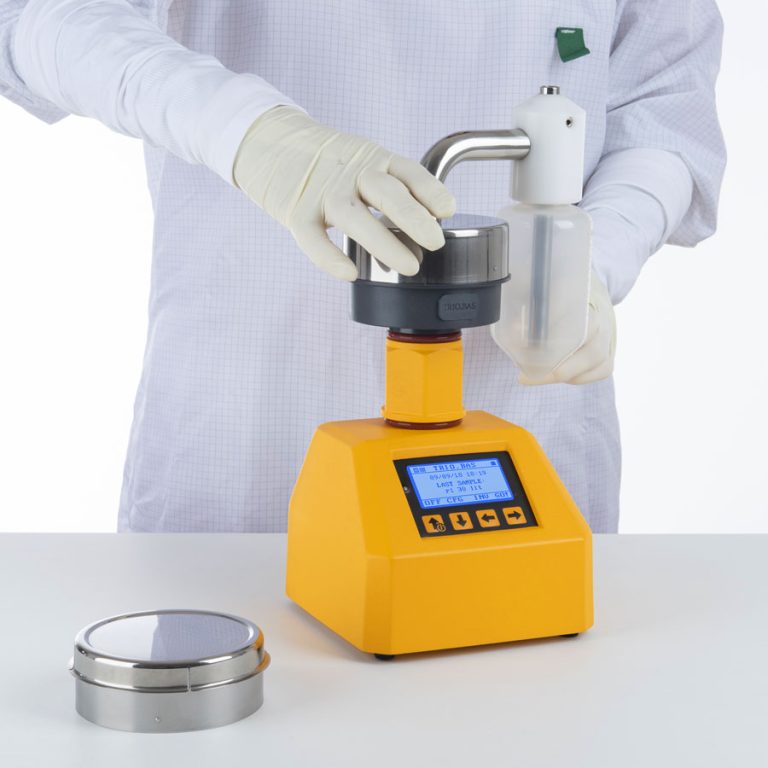
| Sample collection | After using sterile conical tube, it must be replaced with new sterile tube for next test. |
| Analysis type | PCR, RT-qPCR, qPCR. |
| Instrument disinfection | Use 70% isopropyl alcohol. |
| New sampling | Instrument is ready for next test. |
| Model | Description | Price |
|---|---|---|
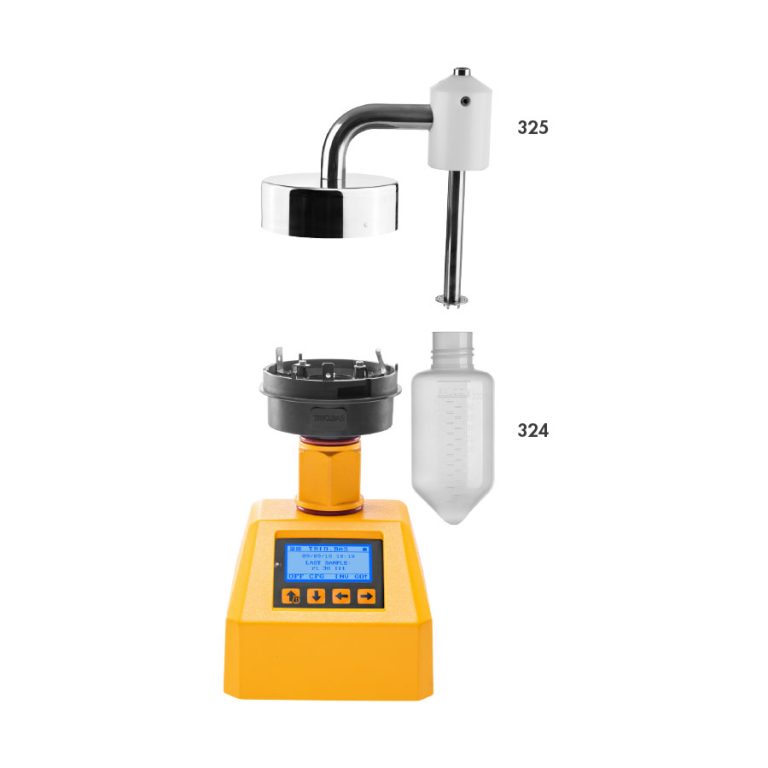
| 2448K | Complete set: AIRBIO ONE Air sampler 448, 1x s/s ASPI HEAD Petri plate 331, 1x COVER HEAD s/s to protect ASPI HEAD 465, 1x Collection liquid system for AIR SAMPLER 325, 1x Conical bottom centrifuge tube PP 183, 1x ROBUSTUS MEDIUM carrying case 425 | 5700 |
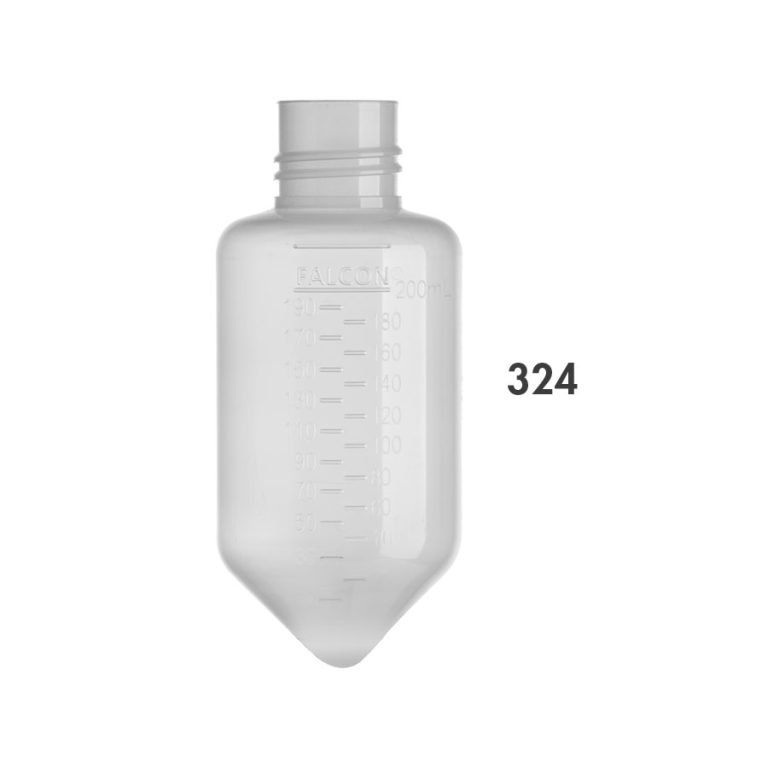
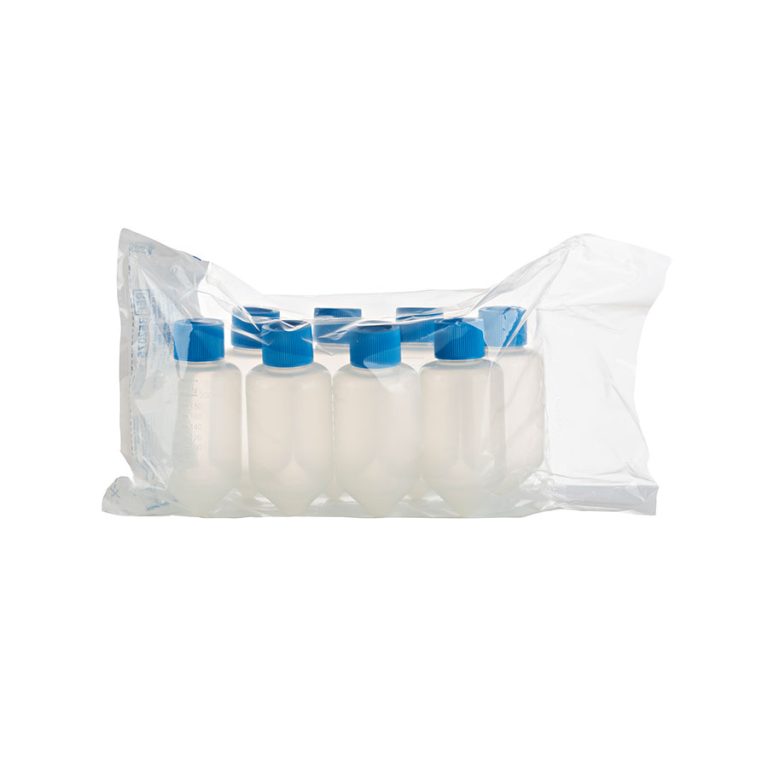
| 324 | Conical bottom centrifuge tube PP – 225 ml (8xbox) | 70 |
| 325 | Collecting liquid system by PCR for AIRBIO VIRUS | 700 |
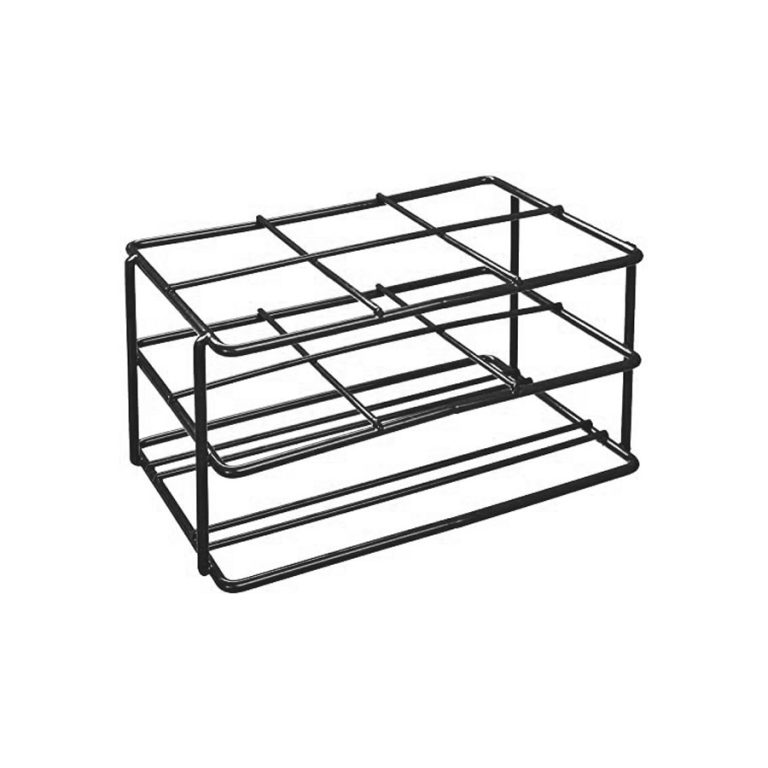
| 329 | Virus Rack for conical tube PP – Size 205x135x102mm | 150 |
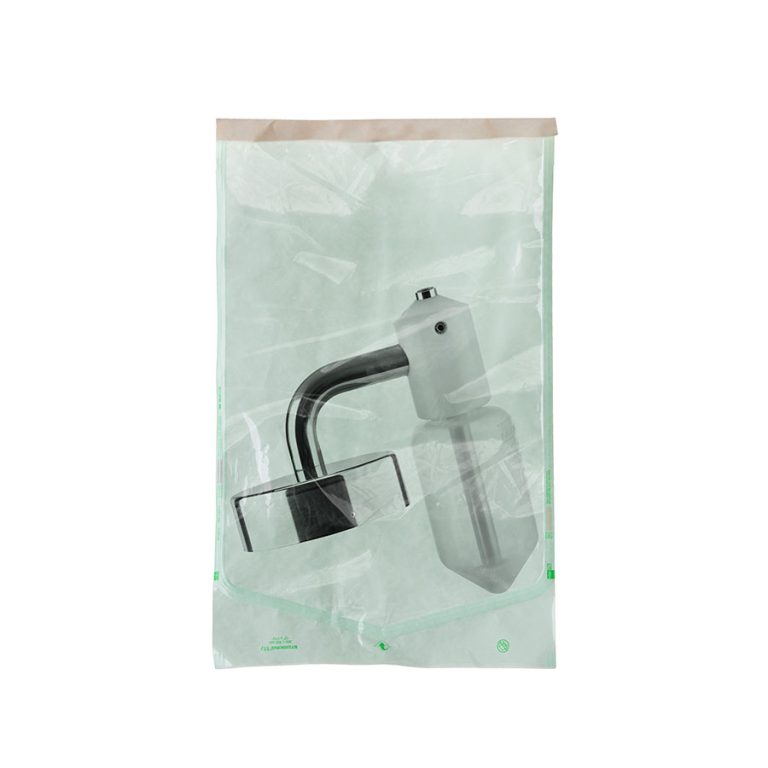
| 413 | Self-sealing sterilization bag for AIRBIO RAPID-VIRUS kit (100xbox) | 70 |
You can request the necessary certificates, documentation, instructions and user guide for TRIO.BAS AIRBIO ONE LIQUID using the special form.
You can buy TRIO.BAS AIRBIO ONE LIQUID in Latvia at a price starting from 5700 € in «OLIL SIA» by leaving a request on the website, by phone +371 672 70580 or by email olil@olil.lv. TRIO.BAS AIRBIO ONE LIQUID price are subject to change depending on exchange rates. We deliver instruments by transport companies in Latvia, Estonia and Lithuania. Worldwide shipping to Europe, Asia, Africa, North and South America available on request.