
Supplier of control and measuring instruments in Latvia, Estonia and Lithuania. Worldwide delivery
Supplier of control and measuring instruments in Latvia, Estonia and Lithuania. Worldwide delivery
02.03.2026
Advantages of thermal imaging cameras for firefighting and rescue operations
Thermal imaging cameras have become a critical tool in the work of firefighters, dramatically increasing the efficiency of searching for victims and detecting hidden sources of fire in conditions of zero visibility. Their use directly improves the safety of the rescuers themselves, allowing them to navigate smoke-filled rooms and assess the risks of structural collapse. The technology also plays a key role in post-fire analysis and the prevention of repeat fires.
02.03.2026
Thermal Imaging for Mold Temperature Control
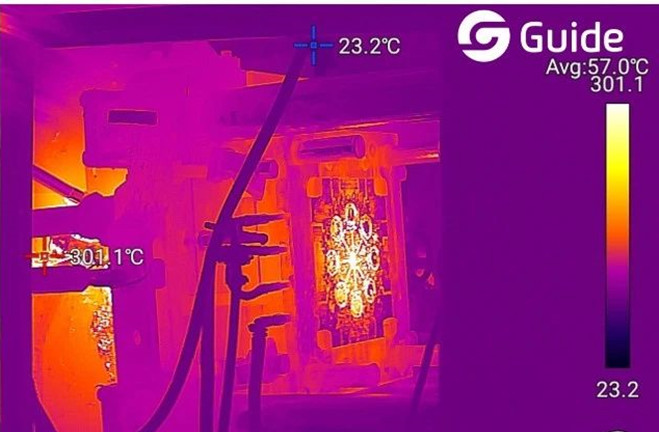
Thermal imaging control ensures precise thermal management during the production of molds for critical castings, preventing casting defects such as shrinkage porosity, gas porosity, and hot cracks. Non-contact real-time monitoring localizes temperature gradients during vacuum infusion and pressure casting, allowing process parameters to be adjusted during the cycle. This method ensures the stability of the mechanical properties and geometry of cast parts, reduces the level of process defects, and lowers production costs.
02.03.2026
Inspection of buildings and structures with a thermal imaging camera
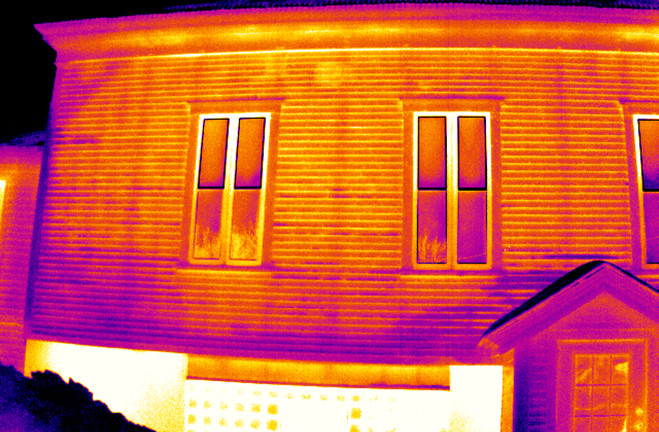
Thermal imaging cameras provide a non-contact diagnostic method, detecting hidden problems in walls based on temperature anomalies on the surface. This technology allows you to detect leaks, insulation defects, and overheating wiring before they cause serious damage. The use of thermal imaging improves the quality of inspections and helps prevent costly repairs.
02.03.2026
Can Thermal Imaging Cameras See Through Walls
Thermal imagers cannot see through thick walls like X-rays, but they can detect temperature anomalies on the surface caused by hidden defects. The difference in thermal conductivity of materials allows leaks, voids, or insulation defects to be diagnosed without direct access to internal cavities. The effectiveness of such an inspection directly depends on the type of wall: drywall and wood allow infrared radiation to pass through more easily than brick or concrete.
02.03.2026
Application of Explosion-Proof Thermal Cameras in oil chemical facilities and oil refineries
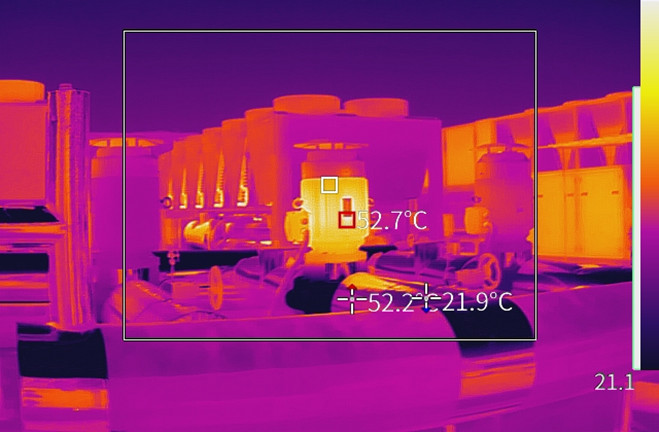
Explosion-proof thermal imaging cameras provide safe, non-contact temperature monitoring in fire-hazardous areas such as petrochemical plants. Thermal imaging diagnostics detects equipment overheating and potential leaks at an early stage, preventing accidents.
02.03.2026
Using thermal imaging for industrial equipment maintenance
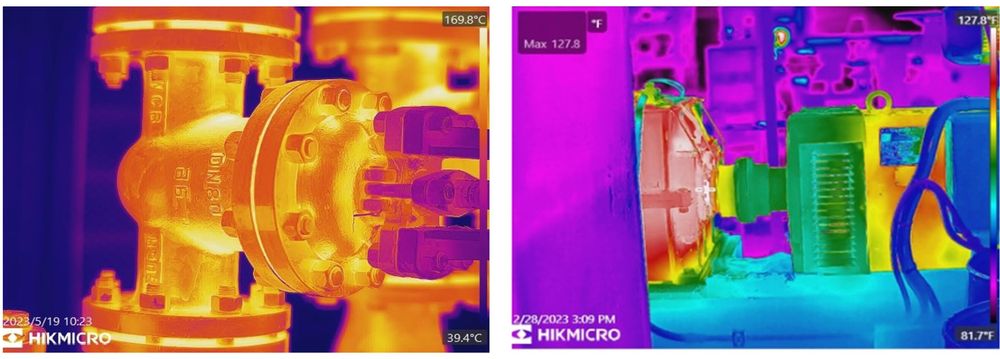
Thermal imagers detect hidden defects in industrial equipment by identifying abnormal heating in bearings, contacts, and insulation. Non-contact diagnostics enable scheduled preventive maintenance without interrupting production. Early detection of malfunctions eliminates unplanned downtime, reduces energy losses, and prevents accidents.
02.03.2026
Applications of IR Thermography Cameras in Automotive Inspections
Thermal imaging cameras enable non-contact monitoring of the thermal characteristics of key vehicle components, including diagnostics of the engine, brake system, and electronic components. Infrared imaging reveals hidden defects such as local overheating or uneven heat distribution, allowing failures to be prevented at an early stage. The use of this method increases the accuracy of technical inspections, reduces maintenance time, and directly affects the safety of vehicle operation.
02.03.2026
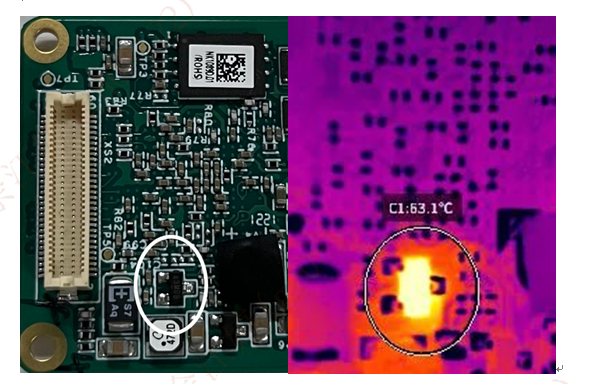
PCB inspection by a thermal camera with a macro lens
A thermal imaging camera with a macro lens allows you to quickly identify hidden defects in printed circuit boards, such as short circuits and open circuits, based on temperature field anomalies. This method replaces labor-intensive optical inspection and provides accurate diagnostics even at the microelectronic component level. Visualization of heat distribution helps optimize board design and cooling element placement.
02.03.2026
HIKMICRO SuperSCENE: Thermal Loss & Water Leak Detection. Effortless Home Inspections
The SuperScene algorithm automatically analyzes thermal images to detect hidden water leaks and thermal insulation defects in building structures. This deep learning-based intelligent recognition technology greatly simplifies the inspection process for novice thermal imaging users. It provides rapid initial diagnostics, minimizing the risk of missing critical issues at an early stage.
02.03.2026
Early detection of damage to wind turbine blades using the Hikmicro SP120H thermal imaging camera
The right thermal imaging camera will deliver a fast and repeatable return on investment by enabling early detection of blade defects, allowing for cost-effective problem resolution and ensuring operational continuity. Investing in proactive monitoring technologies is essential to protect turbine assets, improve profitability, and ensure the long-term sustainability of wind farms.

