Supplier of control and measuring instruments in Latvia, Estonia and Lithuania. Worldwide delivery
Supplier of control and measuring instruments in Latvia, Estonia and Lithuania. Worldwide delivery
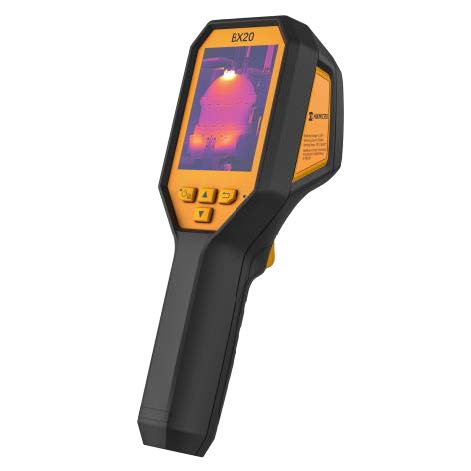
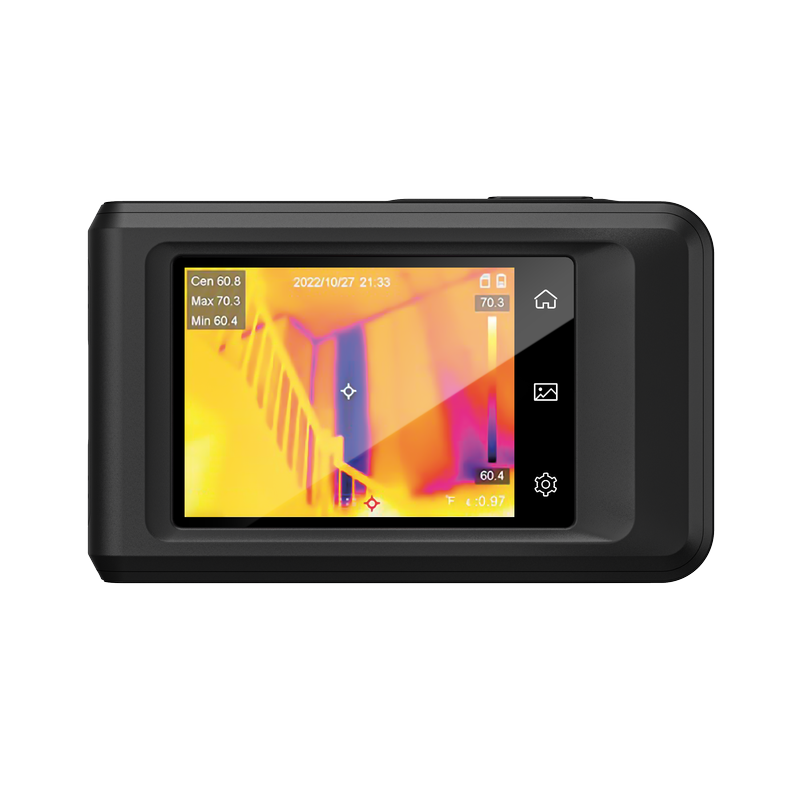
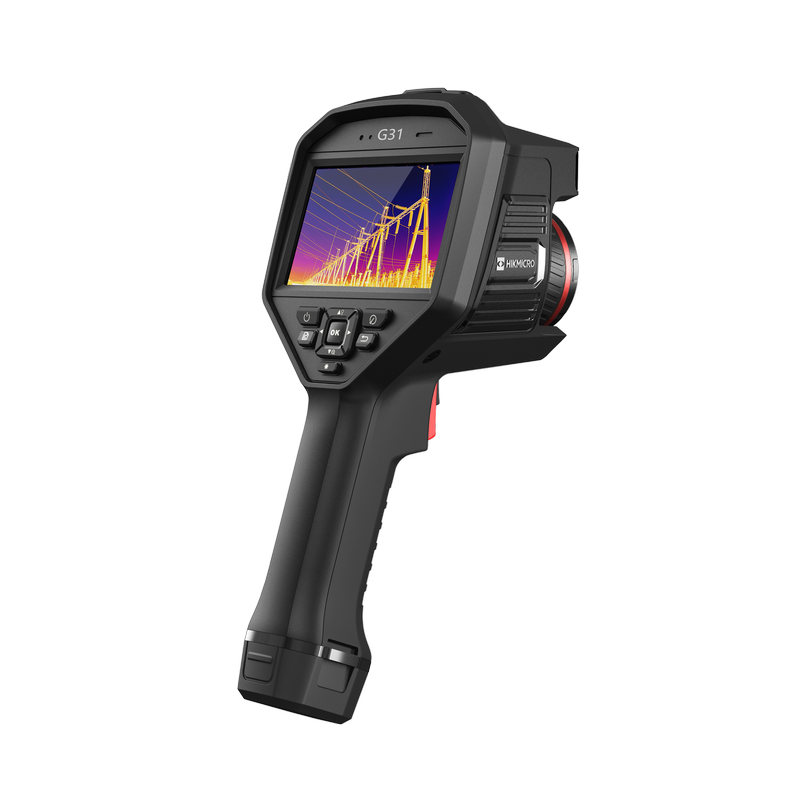
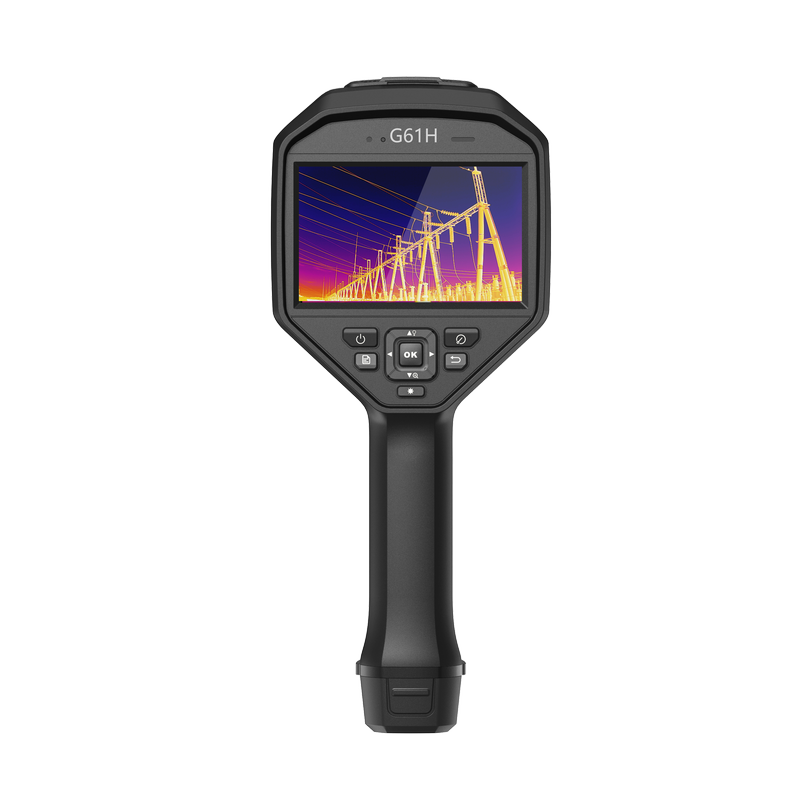
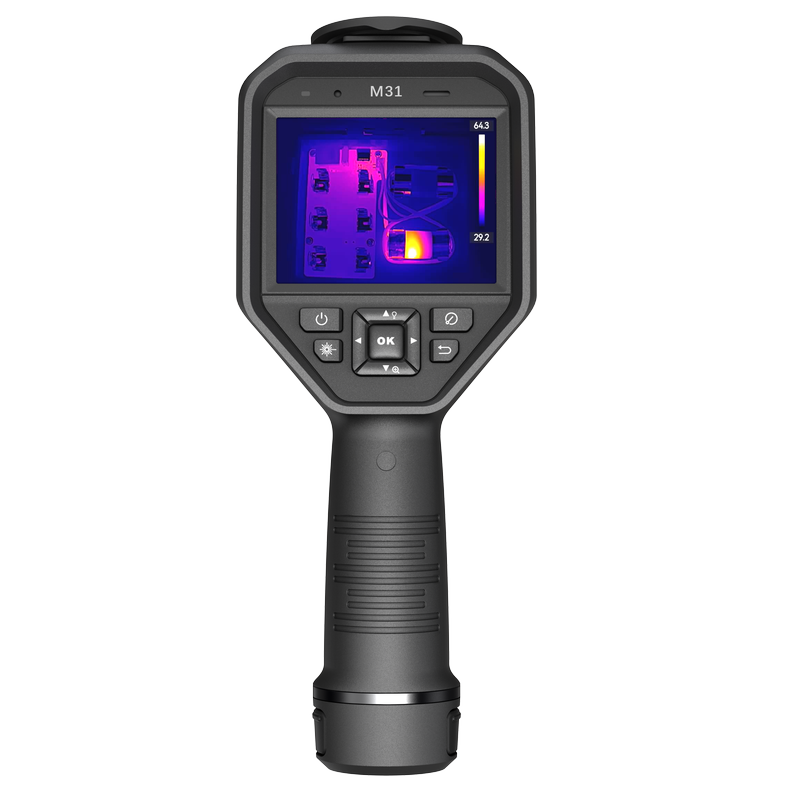
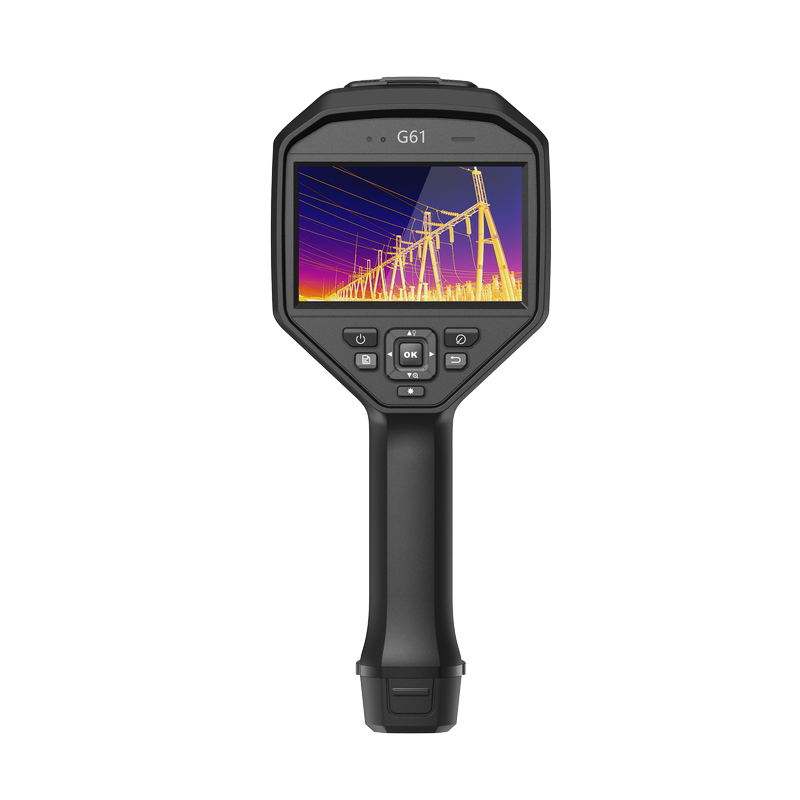
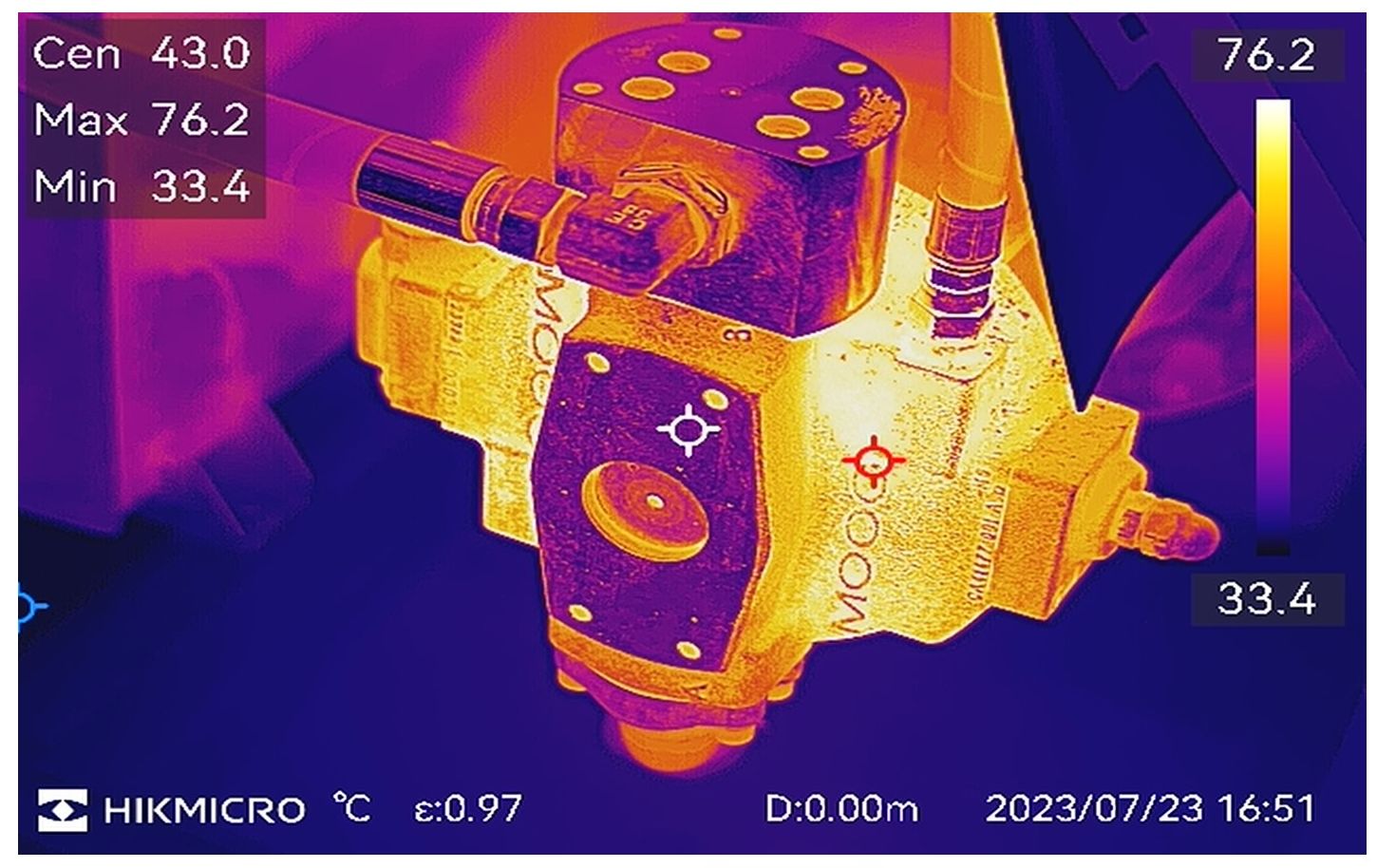
By detecting infrared radiation and converting it into a visible image, thermal imaging cameras facilitate the non-invasive inspection of industrial equipment and machinery. This helps identify temperature anomalies that often indicate underlying issues caused by overheating, poor insulation, friction or electrical faults.
Due to its advanced capabilities, thermal imaging camera technology is rapidly becoming an indispensable tool. Highly versatile and applicable across a wide range of industries, it is particularly useful in predictive maintenance programs, where regular thermal scans are conducted to monitor the condition of critical assets over time.
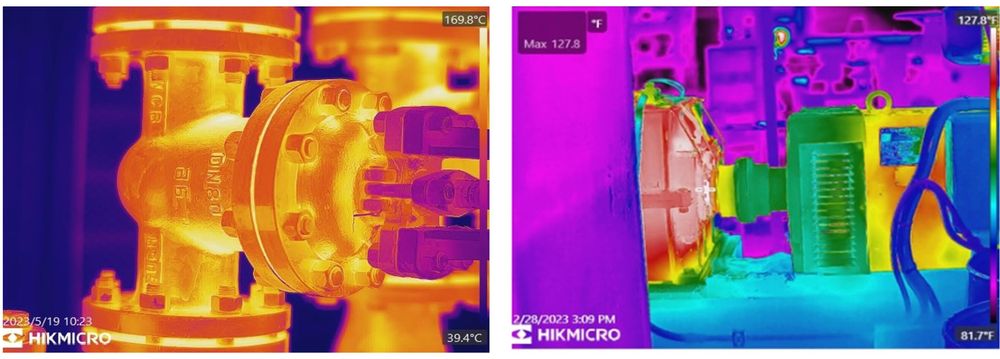
One of the primary advantages of thermal imaging is its ability to detect problems before they lead to equipment failure. For instance, overheating in bearings, motors or electrical circuits and connections can be spotted early, allowing for preventive maintenance rather than costly, unplanned shutdowns. Early detection allows for prompt, targeted, maintenance, ensuring continuous operation that extends equipment lifespan, while providing a safer working environment.
Companies are under increasing pressure to reduce their carbon footprint and thermal imaging can help reduce energy consumption. Equipment operating outside its optimal temperature range often consumes more energy, so by pinpointing these inefficiencies thermal imaging encourages prompt corrective action. Not only does this optimise energy usage, but it also contributes to overall cost savings, while its non-invasive nature allows for quick inspections without halting operations, thereby saving valuable time.
An overheating motor in machinery can cause unplanned downtime, disrupt production and damage other connected components. Frequent overheating incidents can also shorten a motor’s lifespan, as well as posing a fire hazard that can endanger worker safety and potentially lead to extensive property damage.
By monitoring the thermal patterns of motors, thermal imaging cameras can detect early signs of overheating. This enables electrical contractors to identify potential issues such as inadequate ventilation, overloading or failing components such as bearings before they lead to more serious problems.
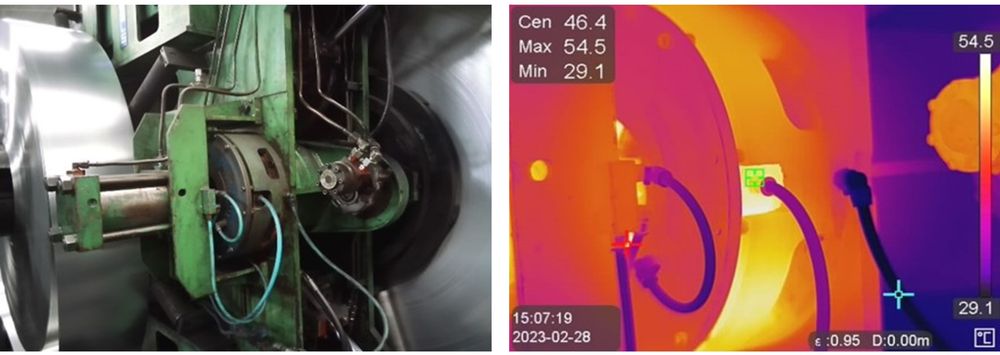
Pharmaceutical, food and beverage, textiles, pulp and paper, and oil and petrochemicals are just a few of the industries that use steam in their manufacturing processes. Specific issues include premature equipment failures and poor steam system efficiency, as well as boiler shutdowns due to low water levels, damaged steam pipes and valves.
Using a thermal imaging camera enhances steam system efficiency by identifying issues like leaks, blockages and insulation failures. It detects hotspots and irregular temperature distributions, indicating problems such as water hammer, corrosion and steam trap malfunctions.
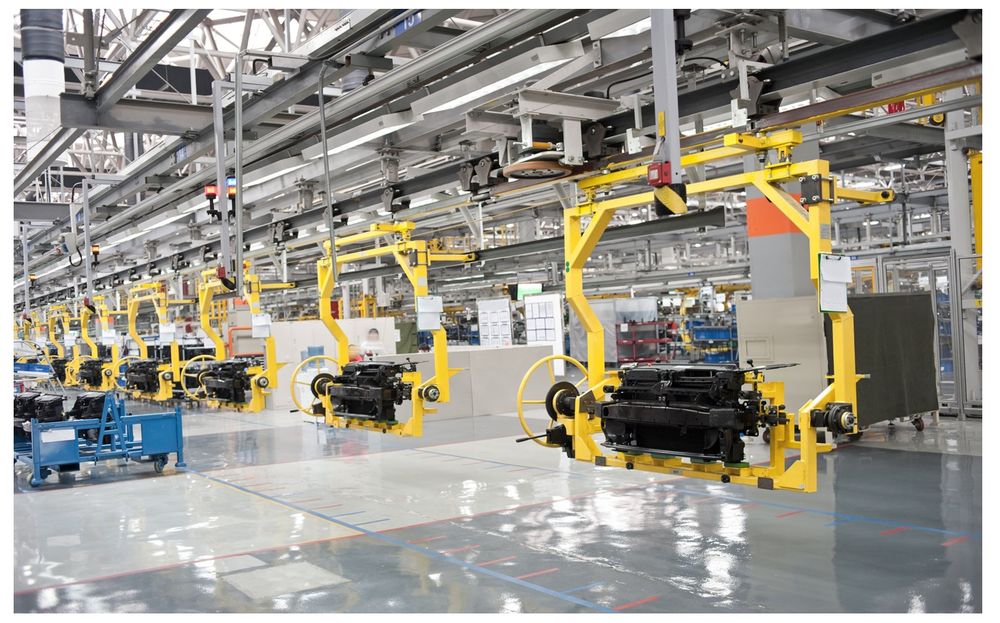
Conveyor systems transport materials swiftly and efficiently and can be found in most assembly lines. They enhance safety by reducing the need for workers to lift and carry heavy items, thereby minimising the risk of injuries, as well as improving overall productivity and operational efficiency.
A thermal imaging camera can identify issues with conveyor systems by detecting overheating in motor bearings, rollers and drive belts, indicating potential mechanical failures or lubrication problems. They can also identify electrical issues in control panels and circuitry. Additionally, thermal imaging can detect misalignment or friction in conveyor components, which may cause excessive wear and energy loss.
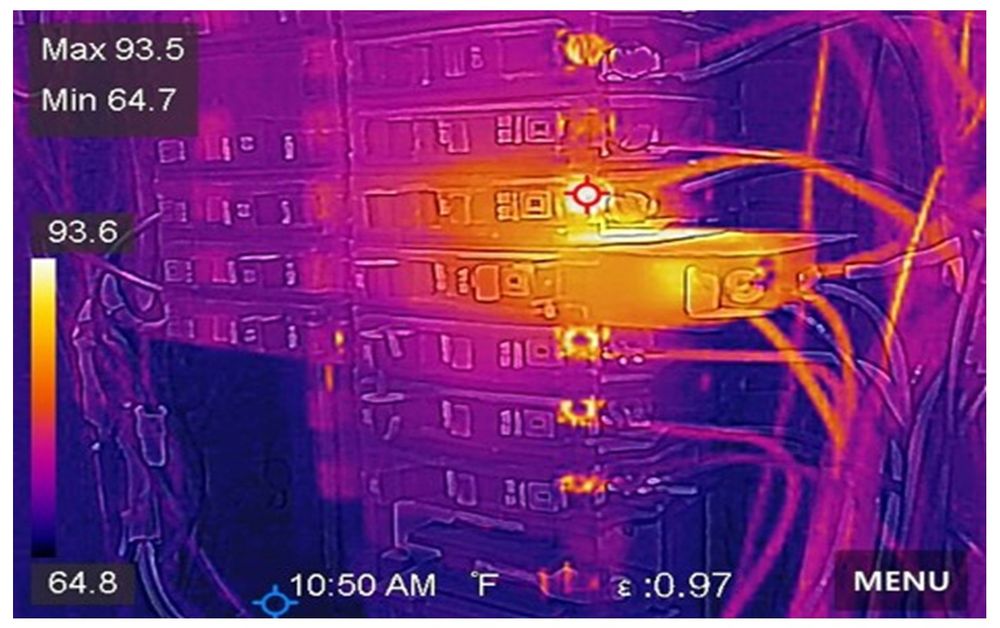
An electrical control panel houses the critical electrical components responsible for controlling and monitoring various mechanical processes. These systems require regular maintenance to ensure optimal performance. This not only enhances the reliability and efficiency of control panels but also ensures the safety and longevity of the equipment.
A thermal imaging camera can identify issues with suitably modified electrical control panels by detecting abnormal temperature patterns. Hotspots on components such as circuit breakers, fuses, terminals and connections indicate potential problems such as loose connections, overloading or faulty components.
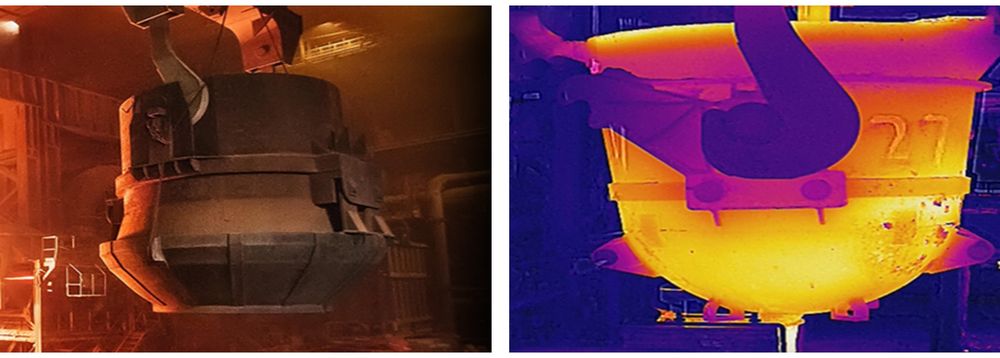
Shuttle, continuous, top hat, up draught, down draught, rotary and fixed hearth furnaces are just some of the types of kilns used in the ceramic, brick, tile, glass, metal, cement, wood and timber industries. They serve the critical function of heating materials to high temperatures, often for processes such as drying, firing or heat treatment.
A thermal imaging camera can detect hotspots on kiln walls, heating elements and refractory linings. It can also detect blockages in burner assemblies or malfunctioning heating zones, which can affect temperature uniformity and product quality.
Poorly maintained electrical equipment can lead to costly downtime and pose serious safety hazards, especially with larger and more powerful machinery. Workplace safety regulations mandate regular, comprehensive inspections of all circuits and wiring. By doing this, manufacturers not only comply with safety standards but also mitigate risks associated with equipment malfunction or electrical failures.
A thermal imaging camera can identify issues with electrical installations and equipment connections in manufacturing environments by detecting abnormal temperature patterns. Hotspots on electrical components such as circuit breakers, switches, terminals and connections indicate potential problems such as loose connections, overloaded circuits or faulty components.
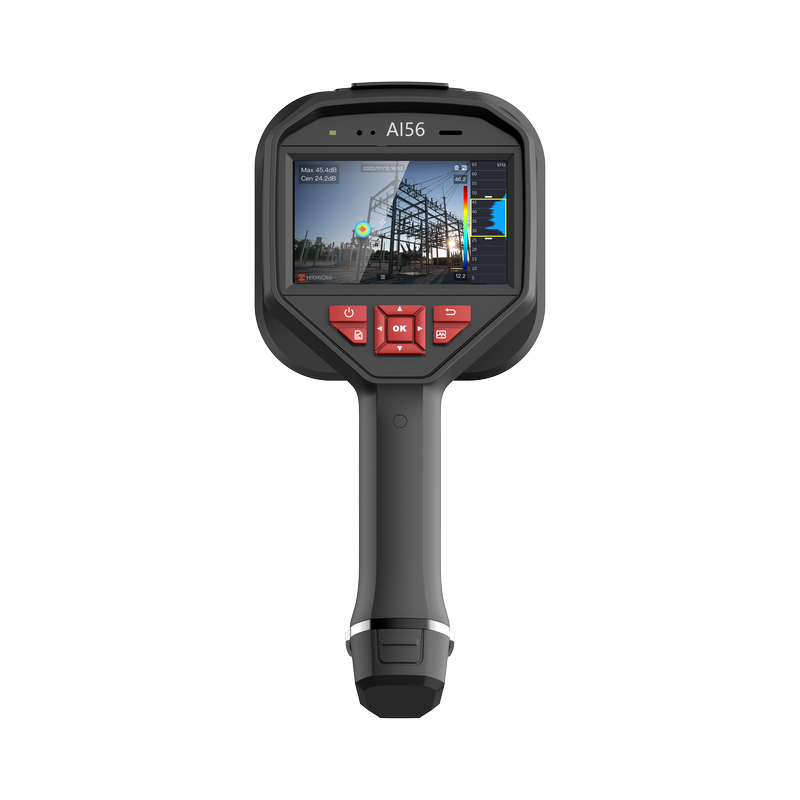
If you need to detect compressed air leaks, then consider an acoustic imaging camera. Perfect for detailed auditing or “find it and fix it” applications, the AI56 quickly identifies gas leaks as small as .0003cfm and displays the leak rate, estimated cost, and graphical leak severity even in noisy industrial environments.
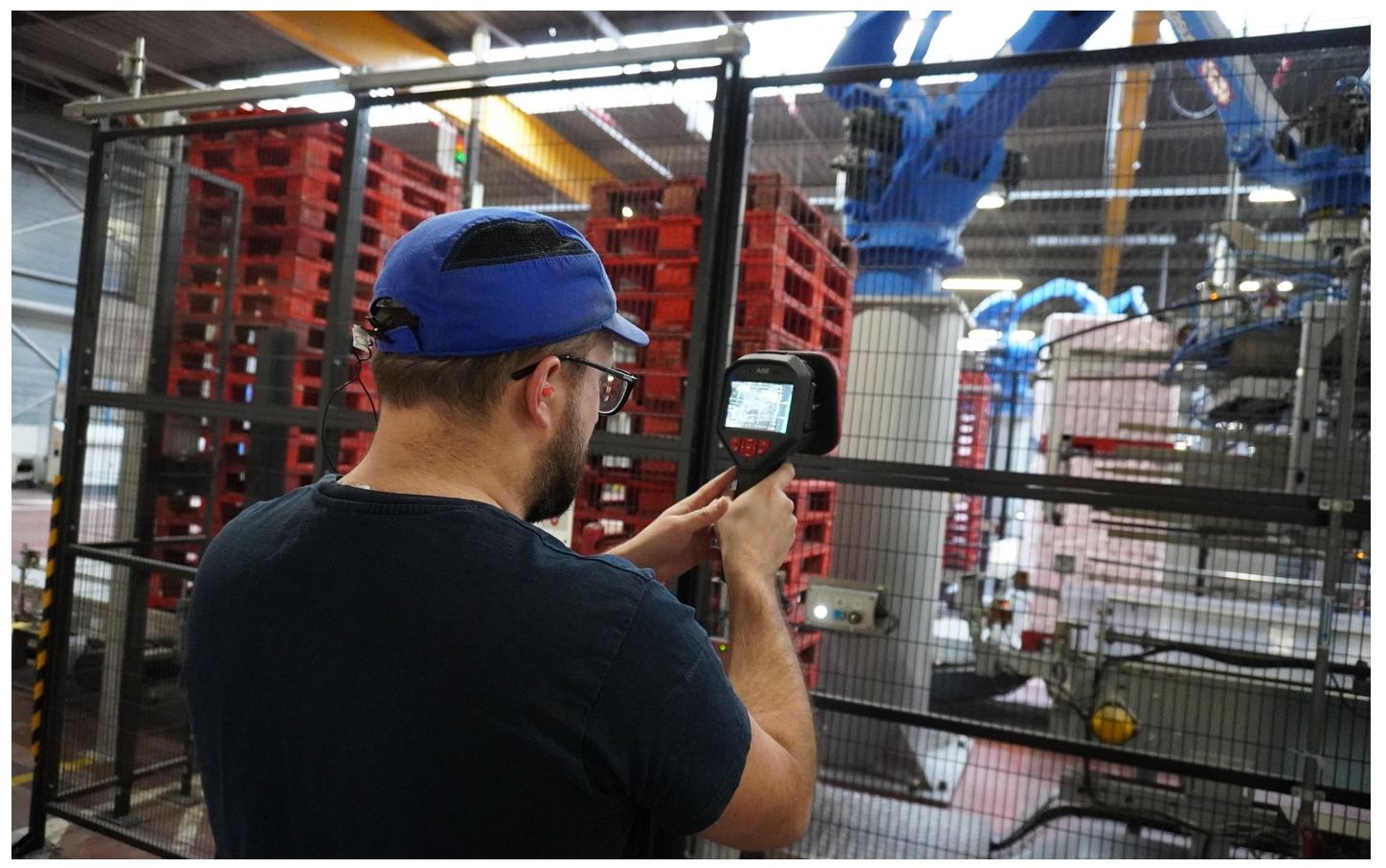
Within manufacturing and other process-based environments, minimising downtime is as important as achieving high quality and maximising output. However, equipment failure is the single largest source of lost production time and, in an environment of ever tighter margins, any downtime can have serious consequences on the bottom line.
Thermal imaging cameras play a vital role in the inspection process by identifying issues before they become real problems. They pay for themselves very quickly, as they can detect faults which, left undetected, could lead to catastrophic damage and failures. For those tasked with maintaining equipment and their customers, the main advantage is their ability to identify faults that can be proactively fixed, resulting in reduced downtime and increased customer satisfaction.
Users can measure the temperature of any object in a non-contact mode, without any health and safety risk. Heat can be a symptom of a problem such as a loose connection, an overloaded circuit breaker, a corroded connection in a consumer unit, or even a failing transformer. An operator can carry out a walkthrough of a facility and set the camera to issue an alarm if, for example, at any point it identifies a temperature of over 40°C, prompting further investigation.
With an unrivalled ability to detect a heat signature, an electrical contractor essentially has an extra set of eyes for diagnosing problems that might otherwise not be visible. Ultimately, a thermal imaging camera helps a contractor to work safer, faster, smarter and more profitably, while keeping the wheels of industry turning.
Thus, thermal imagers, as a key diagnostic tool for preventive maintenance, along with other developments by the company—acoustic cameras for leak detection and specialized thermographic systems—make a decisive contribution to improving the safety, reliability, and energy efficiency of industrial and urban infrastructure.