Supplier of control and measuring instruments in Latvia, Estonia and Lithuania. Worldwide delivery
Supplier of control and measuring instruments in Latvia, Estonia and Lithuania. Worldwide delivery
Thermal imaging technology has undoubtedly revolutionized building inspection, providing a safe, effective, and non-contact method of identifying potential problems before they escalate into costly damage. Whether you are a professional inspector or a homeowner, investing in the right thermal imaging camera can bring long-term benefits and give you peace of mind.
1) Non-Invasive Inspection:
One of the biggest advantages of using thermal imaging cameras is that they provide a non-invasive method of inspection. Inspectors can evaluate the condition of walls, ceilings, and floors without having to tear anything apart. This makes thermal cameras ideal for routine maintenance checks or quick problem assessments.
2) Early Detection of Issues:
Thermal cameras can help detect issues early, often before they become significant problems. By identifying temperature anomalies that indicate issues such as moisture or poor insulation, thermal imaging can prevent costly repairs and ensure the safety and longevity of a building.
3) Efficiency and Time-Saving:
Thermal imaging allows inspectors to scan large areas quickly and efficiently. Instead of manually checking each section of a wall or structure, inspectors can scan a broad area and immediately identify any irregularities that need further attention.
4) Versatility:
Thermal imaging cameras are versatile tools that can be used to inspect various parts of a building, from roofs and walls to floors and plumbing. They are also portable and easy to use, making them accessible for both professional inspectors and DIY enthusiasts.
When it comes to building inspections, thermal imaging cameras are primarily used to detect temperature discrepancies within a structure. These discrepancies can indicate potential issues such as:
Moisture Intrusion: Leaks or water damage often create cold spots on surfaces, which can be detected using thermal imaging. In many cases, moisture can be trapped inside walls, and thermal imaging can reveal the presence of water before it causes further damage.
Insulation Gaps: Poor insulation can result in heat loss or gain, making certain areas of a wall warmer or cooler than others. A thermal imaging camera can highlight these inconsistencies, helping inspectors pinpoint areas where additional insulation may be needed.
Electrical Problems: Overheating electrical components, such as faulty wiring or overloaded circuits, can be identified with a thermal camera. Hot spots can indicate electrical hazards that could be hidden behind walls or under floors.
Structural Issues: Thermal imaging can sometimes detect areas where materials have shifted or settled, causing unusual temperature patterns. This could suggest structural issues like cracks in the foundation or walls.
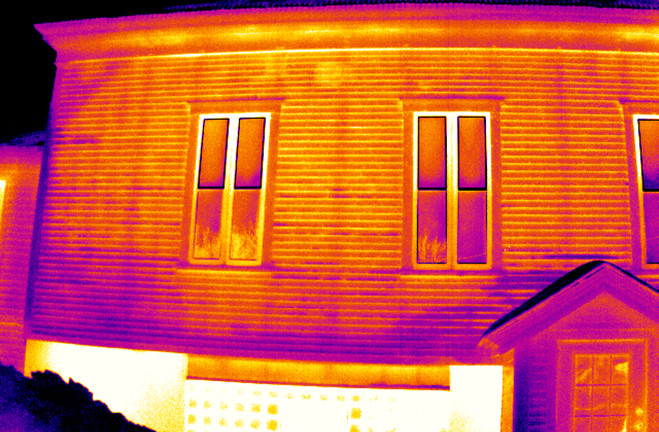
When selecting the optimal thermal imaging camera for building inspections, several factors should be taken into account. Resolution, thermal sensitivity, and temperature range are key specifications to consider. Higher resolution provides clearer images, while sensitivity ensures that even the slightest temperature differences can be detected. Temperature range is important, as certain inspection tasks may require the ability to detect extreme heat or cold.
Some of the best thermal imaging cameras for building inspections also come equipped with additional features such as video recording, Wi-Fi connectivity, and thermal analysis software, which enable inspectors to document and analyze findings more efficiently.
In conclusion, thermal imaging cameras are incredibly useful for building inspections, particularly when it comes to detecting hidden issues like moisture damage, insulation gaps, and electrical problems behind walls. While they cannot "see through walls" in the same way that X-rays can, they can provide valuable insights into what’s happening within a structure by revealing temperature discrepancies on surfaces. By choosing the best thermal imaging camera and working with a trusted thermal imaging camera manufacturer, you can enhance the efficiency and effectiveness of your building inspections and ensure the safety and integrity of your property.