OLIL SIA > Articles > HIKMICRO SuperSCENE+: Detects Targets And Identifies Temperature Anomalies
02.03.2026
HIKMICRO SuperSCENE+: Detects Targets And Identifies Temperature Anomalies
SuperScene+ uses built-in algorithms to identify temperature measurement objects in specific scenarios and determine the presence of temperature anomalies. The built-in algorithm, which identifies objects using thermal imaging, does not support visual mode, as it is designed with performance and image efficiency in mind.
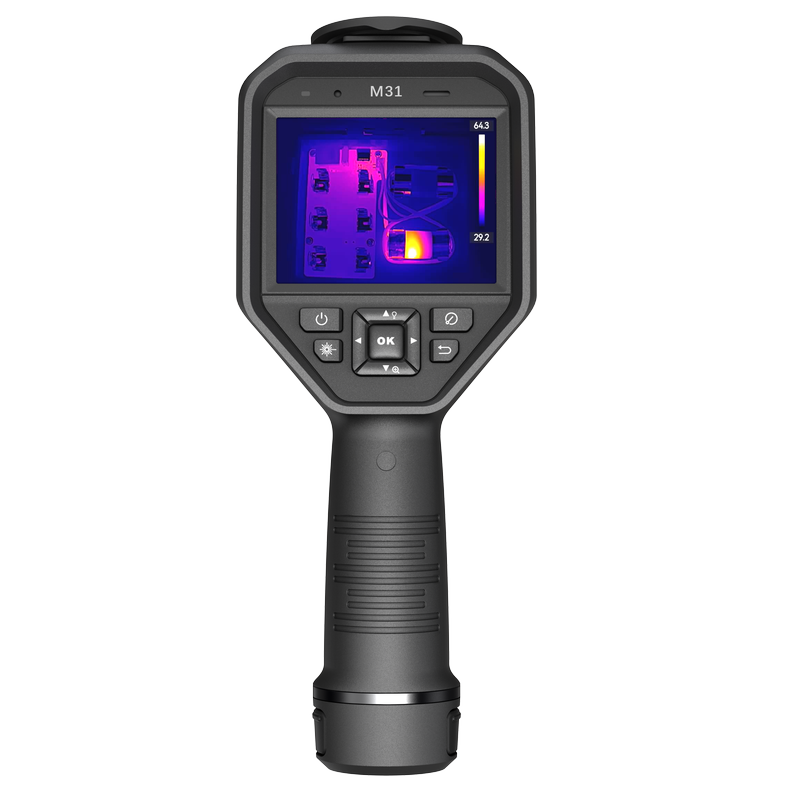
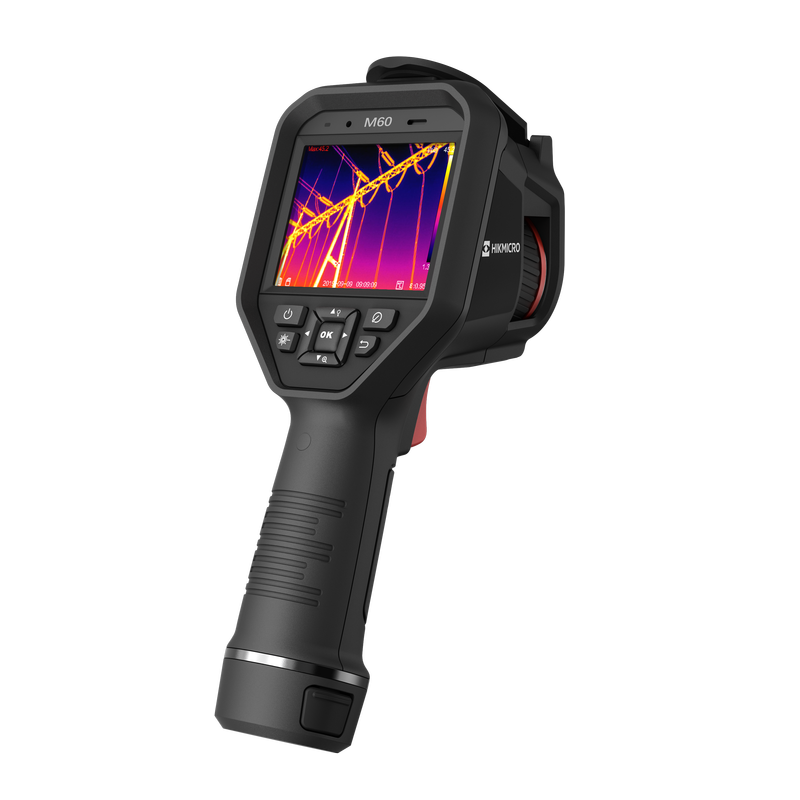
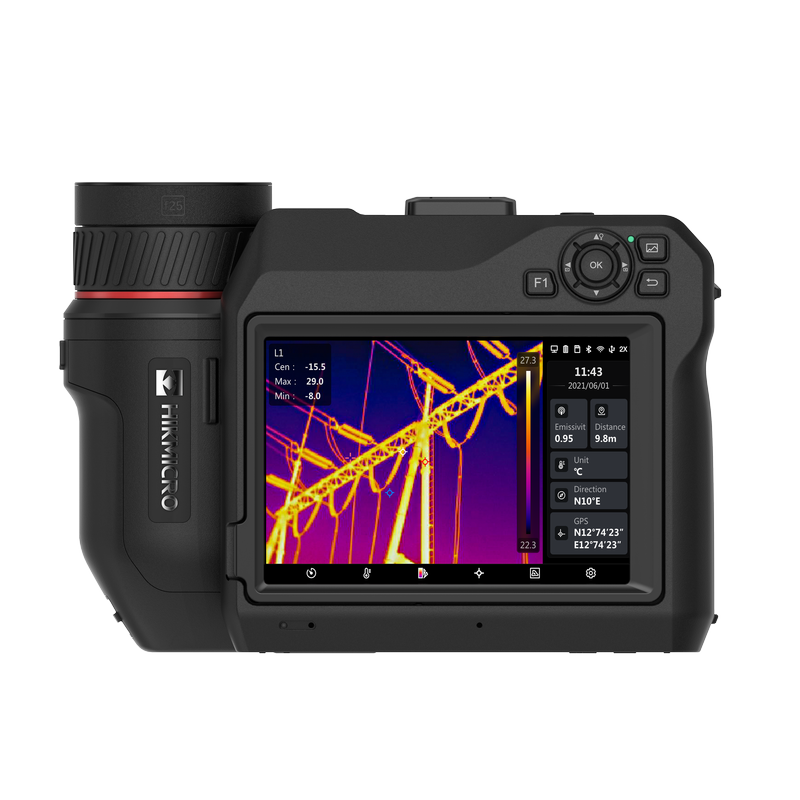
SuperScene+is applicable to the following models: M31, M60, SP40 (SP40H), SP60 (SP60H)
Application of SuperSCENE+ for Electrical Panel Maintenance and Diagnostics
What to pay attention to when servicing electrical panels
Fuse: Single-failure in parallel fuse arrays often goes undetected, triggering chain overload reactions (NA manufacturing statistics: 15% of electrical fires originate from fuse anomalies).
Terminal: Oxidation/loosening-induced contact resistance increases are stealth culprits of equipment downtime (EU Energy Association: 23% of industrial outages relate to terminal failures).
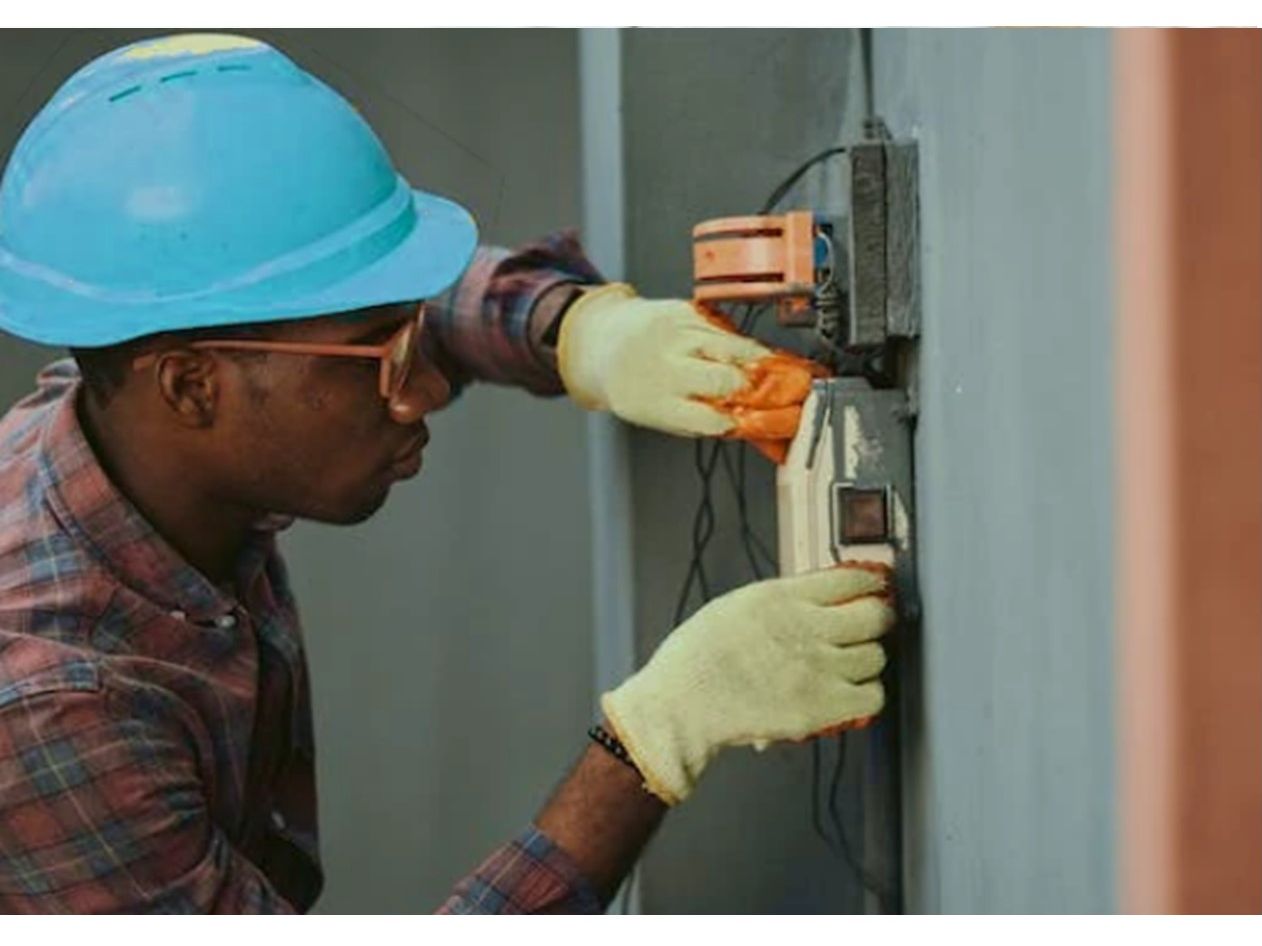
Limitations of Traditional Methods:
- Low efficiency: Manual point-by-point thermal checks (30min/panel) require expertise; novices risk oversight.
- Safety risks: Close proximity to live equipment (<0.5m) violates OSHA safe-distance protocols.
- Data gaps: Paper-based records hinder traceability and digital system integration.
Pain Points and SuperSCENE+ benefits
- Challenge: Technicians must rapidly screen large panels (50+ points) while identifying subtle threats (e.g., 5°C terminal temperature drift indicating imminent failure).
- Solution: AI-powered risk stratification (high/medium/low) prioritizes red alerts, boosting efficiency by 60%.
SuperSCENE+ Functional Overview – Electrical Panel Inspection Mode
Electrical panel — Checking the fuses
AI dual-mode detection: Combines image recognition and ΔT algorithms to pinpoint overloaded/degraded fuses via absolute temperature alerts and relative differential warnings.
Optimized performance:
- Trained on mainstream fuse models (98% recognition accuracy).
- ±1°C precision achieved through anti-reflective coating compensation.
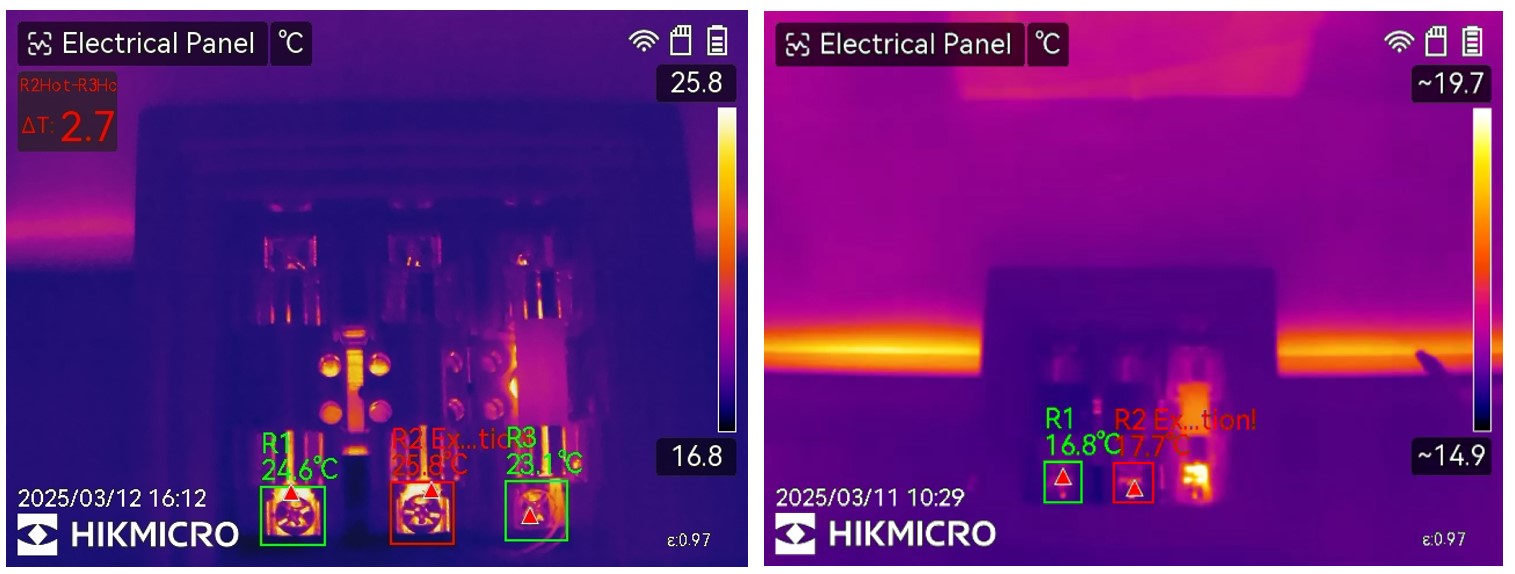
*Note: Optimal detection requires perpendicular alignment (±45° tilt tolerance).
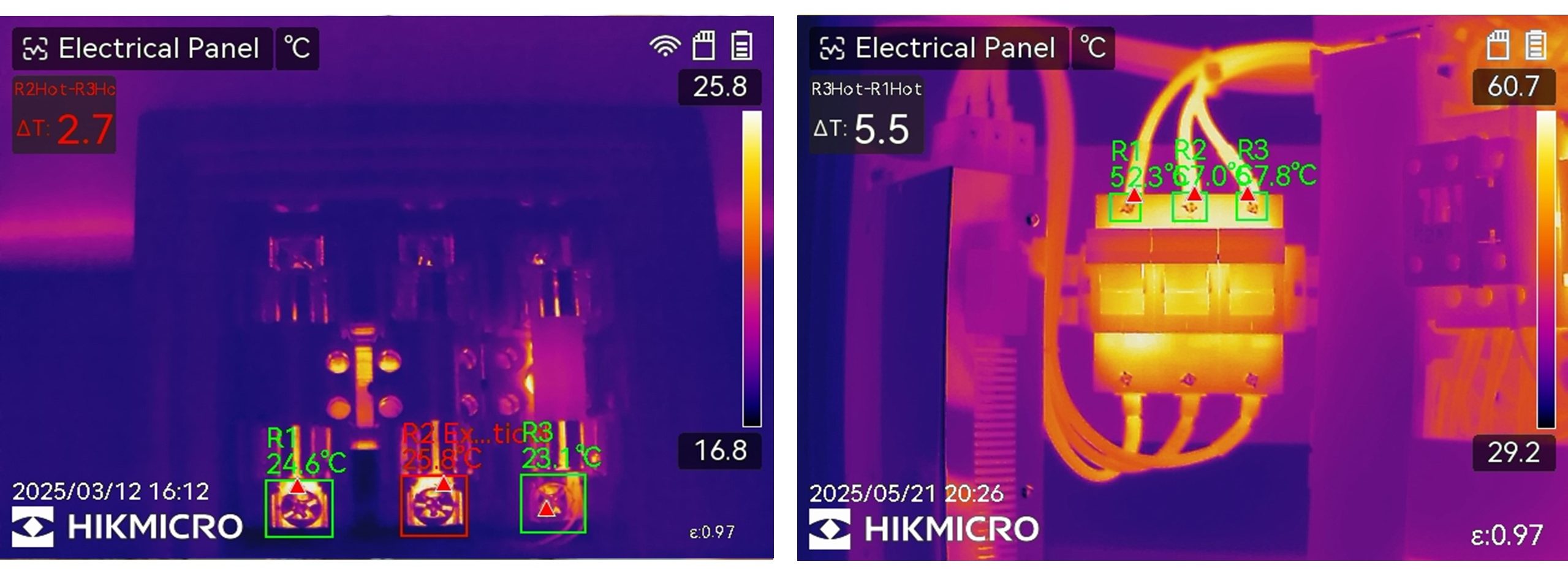
Electrical Panel - Terminal Inspection
Micro-temperature sensing: Detects 0.5°C variations from poor contacts using resistance-heat modeling.
Application of SuperSCENE+ for PCB Inspection
Defect detection: Identifies >20 flaw types (opens, shorts, pinholes, residual copper) across multilayer boards. Traditional flying probe tests miss 30%+ micro-defects.
Efficiency bottlenecks:
- Manual microscopy yields >20% error rates for sub-0.2mm features, risking ocular strain.
- High-density PCB layer scans require >30min/board, disrupting production cycles.
Research Applications
- Analyzes failure mechanisms (ionic migration/CAF, CTE mismatch) without destructive cross-sectioning (saves 2+ hours/sample).
- Thermal mapping reveals hidden defects (e.g., cold solder joints) for material optimization.
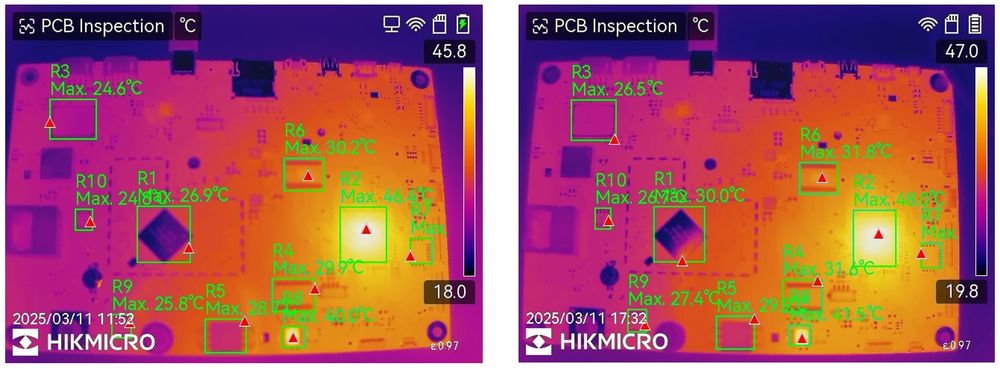
Overview of SuperSCENE+ functionality in PCB inspection mode
PCB Inspection
Pre-configured templates + AI calibration enable batch screening of components (ICs, resistors/capacitors) to identify shorts, cold joints, and overloads
Advanced capabilities:
- 10-zone templates per PCB (e.g., power modules, signal areas).
- Differentiates normal/abnormal heating via copper-layer thermal conduction models.
- Setup efficiency: Reduces new PCB calibration from 30+ minutes to ≤5 minutes through template reuse.
Advantages and benefits of Hikmicro SuperSCENE+ technology
- Automation: Auto-locates fuses/terminals in panels; PCB batch screening via predefined templates.
- Simplified Workflow: Panel inspection: Reduces to 2 steps (mode selection → scan) with instant results (color-coded alerts). PCB testing: Fixture-mounted one-click scans minimize human error.
- Reduces operational complexity for technicians while enhancing inspection safety and result reliability. Mitigates downtime risks and optimizes equipment lifecycle management efficiency.
Useful information:
You may be interested in these devices: