Supplier of control and measuring instruments in Latvia, Estonia and Lithuania. Worldwide delivery
Supplier of control and measuring instruments in Latvia, Estonia and Lithuania. Worldwide delivery
Investing in high-performance thermal imaging cameras for wind turbine blade inspections can deliver substantial Return on Investment (ROI) by preventing catastrophic failures, reducing repair costs, and maintaining consistent power generation. Early detection of blade damage, erosion and delamination is critical for asset protection and operational safety.
Blade failure occurs when internal layers of the blade separate or become damaged, typically caused by:
If left undetected, such damage can lead to:
Once damage starts, the progression to failure can occur in as little as 6 to 18 months, depending on:
Regular inspections with thermal imaging significantly narrow the risk window by detecting issues well before they escalate.
Early identification of damage allows operators to:
1. Perform localised repairs. Sealing cracks, re-bonding separated layers, or applying resin injections. Typical cost: a fraction of blade replacement cost.
2. Schedule blade refurbishment during planned maintenance windows, minimising additional downtime and avoiding emergency shutdowns.
3. Adjust operational parameters. Implement temporary curtailment (reducing turbine load) to reduce mechanical stress while repairs are planned.
4. Enhance monitoring frequency. Increase inspection intervals to track progression until repair can be completed safely.
Each of these mitigation strategies can extend blade service life, reduce immediate costs, and preserve power generation revenue.
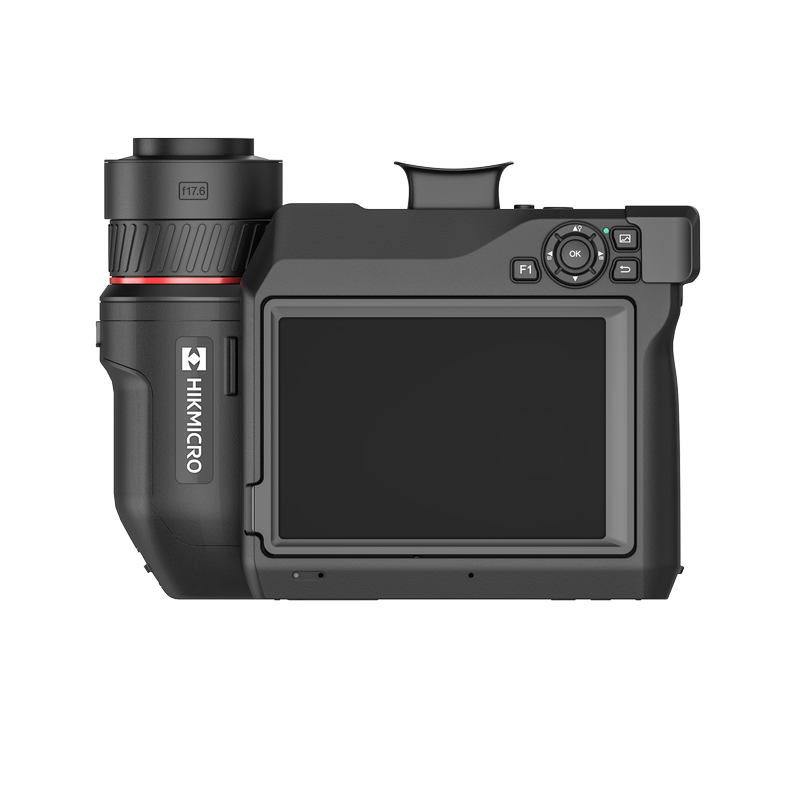
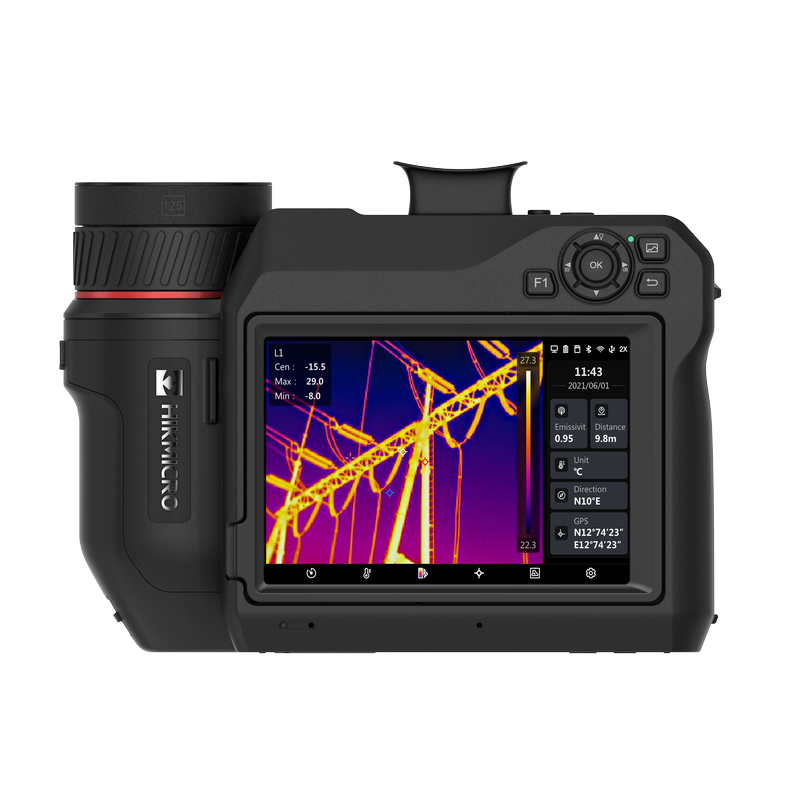
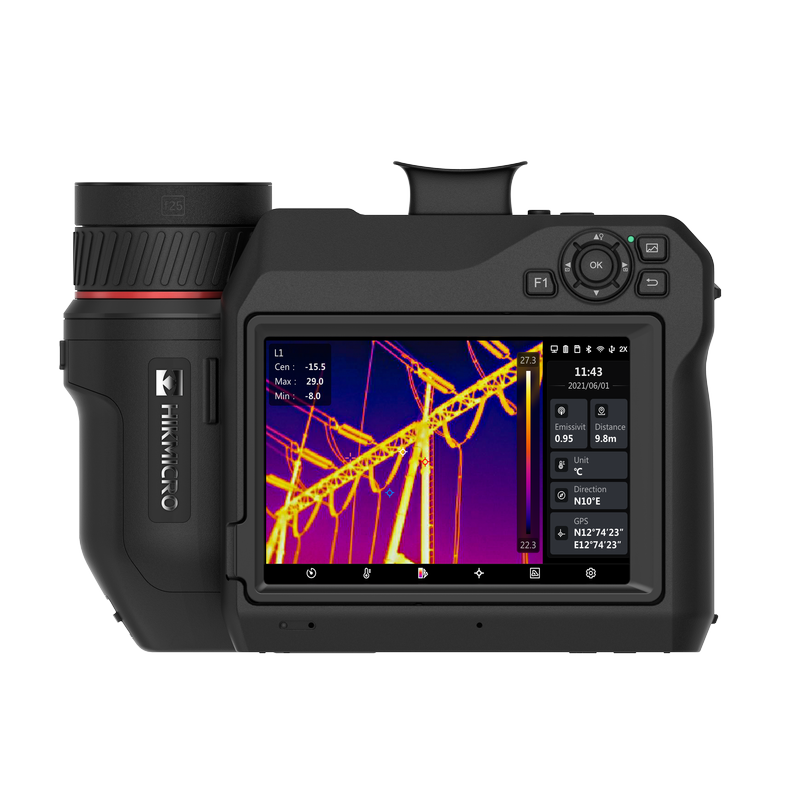
The HIKMICRO SP120H thermal imaging camera is effectively used to inspect wind turbine blades in real wind farm conditions. It provides highly detailed images from inside the blades, allowing for accurate and rapid identification of damage such as internal delamination and material erosion. Unlike alternative methods, such as drone surveys, which may be limited by weather conditions or lack sufficient detail to detect early defects, this device provides consistently high-quality diagnostics.
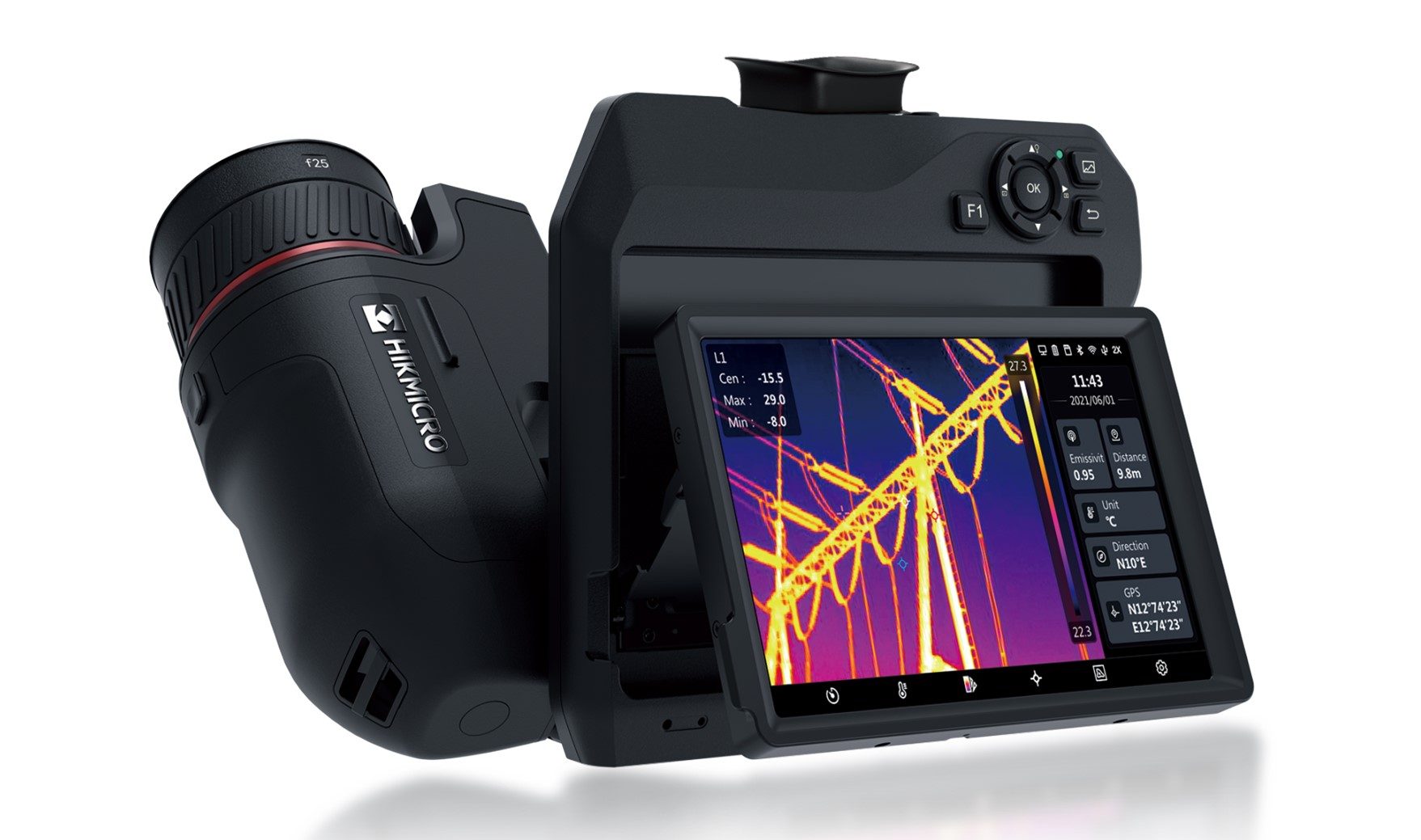
The HIKMICRO SP120H enabled the detection of subtle internal delamination
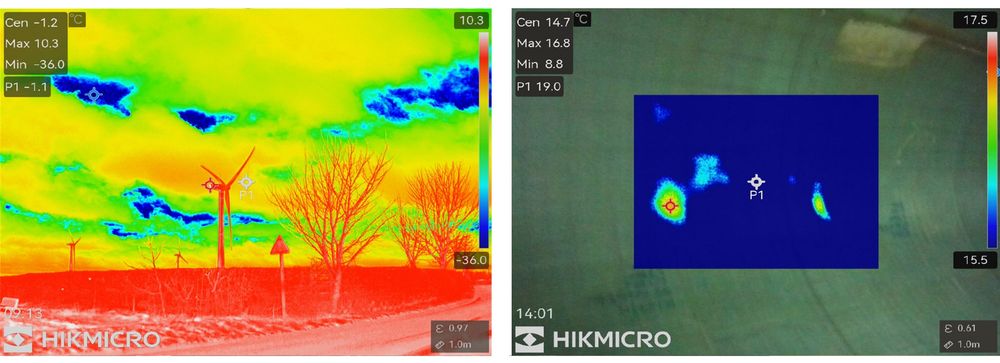
Left: The wind turbine. Right: Inside a damaged blade, with manufacturing defects, “wrinkles”.
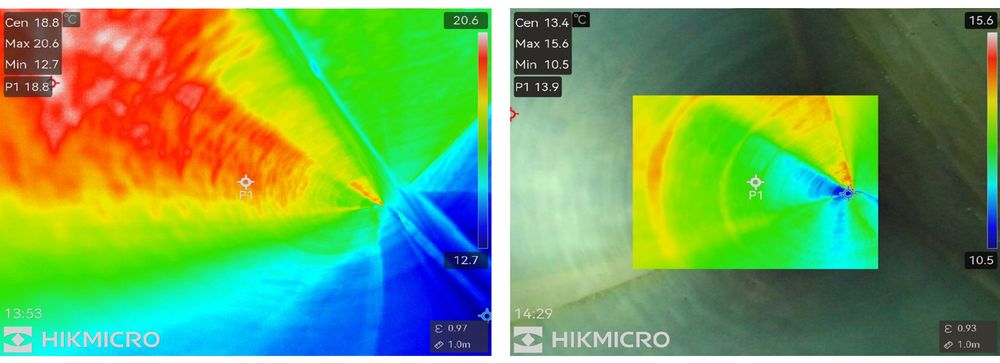
Left: Inside a damaged blade with leading edge erosion. Right: Inside a healthy blade.
Thermal imaging detects early signs of blade damage.
ROI: One early detection event could achieve a 6x return on the initial investment — and the camera can be used across the entire turbine fleet for even greater cumulative savings.
Additional Benefits