Supplier of control and measuring instruments in Latvia, Estonia and Lithuania. Worldwide delivery
Supplier of control and measuring instruments in Latvia, Estonia and Lithuania. Worldwide delivery
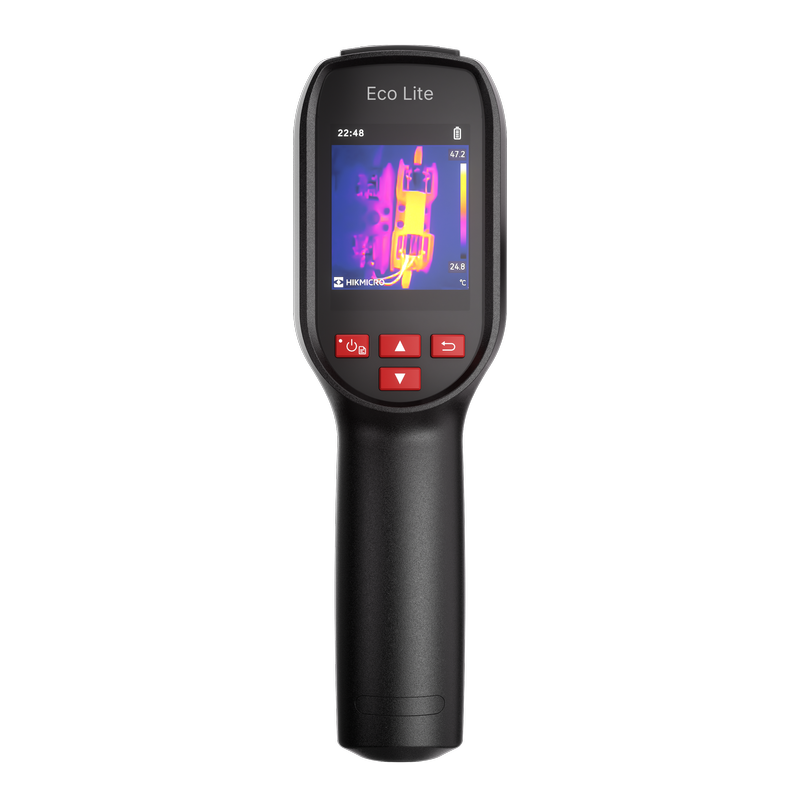
In today's rapidly evolving technological landscape, infrared thermal imaging technology, with its unique advantages, is gradually finding its way into various industries. The value of thermal imagers is becoming increasingly apparent, especially in the field of automotive diagnostics. Specific areas of application for infrared thermal imaging cameras in automotive inspections include the diagnosis of key systems, which significantly increases the efficiency of inspections and improves the safety of vehicle operation.
IR thermography technology captures the subtle distribution and dynamic changes of heat energy on an object's surface, providing engineers and maintenance personnel with an "X-ray vision". In the automotive industry, this technology allows for non-contact, precise temperature measurement of various automotive components, displaying real-time temperature distribution maps that reveal potential issues invisible to the naked eye. Compared to traditional inspection methods, IR thermography cameras offer advantages such as efficiency, precision, and non-destructiveness, significantly improving the accuracy and efficiency of automotive inspections.
The engine, as the heart of a vehicle, directly influences overall vehicle performance. IR thermography cameras can accurately capture temperature anomalies caused by subtle structural defects in the engine, such as small cracks or areas of concentrated thermal stress, converting them into intuitive thermal images to help engineers quickly locate fault points. This technology not only improves the accuracy of fault diagnosis but also shortens repair time and reduces maintenance costs.
The performance of the braking system is directly related to driving safety. IR thermography cameras can monitor the temperature changes of components such as brake discs and drums in real-time, quickly determining whether there are issues in the braking system by comparing the temperature differences between the front and rear wheels or between wheels on the same side. For instance, a significant temperature difference between the two front wheels may indicate a malfunctioning brake component. This non-destructive inspection technology not only improves inspection efficiency but also ensures the safety and reliability of the braking system.
In air conditioning system inspections, IR thermography cameras can analyze the vehicle's body for air-tightness leaks and evaluate the cooling performance of the air conditioning. Additionally, they can thoroughly inspect rear window defroster elements, ensuring their proper operation in harsh weather conditions. By capturing the thermal radiation signals of the heating elements in operation, IR thermography cameras can provide real-time visualizations of the working status, offering accurate maintenance guidance for technicians.
Seat heating is a common comfort feature in modern vehicles. However, when heating elements malfunction, it not only affects passenger comfort but may also pose safety risks. IR thermography cameras can accurately capture the thermal radiation signals generated by the seat heating elements during operation, converting them into intuitive thermal images to help technicians quickly locate fault points, such as damaged heating elements or poor electrical connections. This technology not only improves the efficiency of fault detection but also reduces maintenance costs and time.
In addition to the applications mentioned above, IR thermography cameras can conduct comprehensive inspections of various automotive systems. In the exhaust system, they can quickly identify abnormal pipe temperatures, revealing leaks or blockages; in transmission inspections, they can monitor temperature distribution in real-time, preventing wear or overheating issues; in tire inspections, they can capture surface temperature differences, accurately assessing wear, pressure stability, and damage points. These applications not only enhance the comprehensiveness of automotive inspections but also further ensure driving safety.
In conclusion, IR thermography cameras have broad application prospects in automotive industry inspections. With continuous technological advancements and expanding application fields, we have every reason to believe that IR thermography technology will bring more innovative breakthroughs and development opportunities to the automotive industry, driving it towards greater intelligence and safety.